![image of a customer service representative (focusing on workspace) [background image]](https://cdn.prod.website-files.com/686ff0f42c677102ebc56fac/6942c62b786a2e9b02c41e58_dadsbaseballblackchild-w1700-6942c5ce7f1f0.webp)
Last updated on:
April 9, 2026
Youth baseball changed when leagues adopted new bat standards. Players need equipment that meets certification rules while helping them develop proper swing mechanics. Built-in performance from old bats no longer exists. Young players need bats that match their league requirements and physical development.
The right bat impacts your player's confidence and performance. It helps them make solid contact and develop the muscle memory needed for higher levels of play. Poor bat selection leads to bad habits that take years to correct. This guide helps you navigate bat certifications, sizing, and materials to choose the perfect bat for your youth player.
Understanding Bat Certifications
USA Baseball Standard
USA Baseball certification governs Little League and most recreational youth organizations. This standard creates wood-like performance in youth bats. The goal is to slow down exit velocities and protect young pitchers.
- Age Range: 7-13 years old (typically)
- Barrel Size: 2 1/4" to 2 5/8"
- Drop Weight Range: -5 to -13.5
- Performance: Lower exit velocities, focused on skill development
- Common Leagues: Little League, Dixie Youth, Babe Ruth, Cal Ripken
Bats must display the USA Baseball logo to be legal for play. Models made before 2018 are not eligible unless they meet the new standards.
USSSA Certification
United States Specialty Sports Association standards govern travel ball and competitive youth organizations. These bats perform closer to college-level equipment and allow higher exit velocities.
- Age Range: 7-14 years old (typically)
- Barrel Size: 2 3/4" (big barrel)
- Drop Weight Range: -5 to -12
- Performance: Higher exit velocities, maximum power
- Common Leagues: USSSA tournaments, travel ball, AAU
USSSA bats need a 1.15 BPF thumbprint stamp on the taper. These bats are not legal for USA Baseball leagues.
Sizing Your Youth Bat
Length Selection
Match bat length to your player's height and weight. Most youth players ages 7-12 use bats between 27" and 31" long.
Simple Sizing Test: Have your player stand with the bat's knob on the ground. If the barrel reaches mid-hip, it fits well. If it extends past the hip or stops short, try a different size.
Height-Based Guidelines:
- Under 4'0": 26-28 inches
- 4'0" - 4'5": 27-29 inches
- 4'6" - 4'11": 28-30 inches
- 5'0" - 5'5": 29-31 inches
- 5'6" and taller: 30-32 inches
Understanding Drop Weight
Drop weight is the difference between bat length (in inches) and weight (in ounces). A 30-inch bat weighing 20 ounces has a -10 drop weight.
Higher drop weights mean lighter bats:
- -12 to -13: Best for younger players (ages 7-9) who need maximum bat speed
- -10 to -11: Most common for ages 9-12, balances control and power
- -8 to -9: For stronger players (ages 11-13) building power
- -5: Prepares players for high school BBCOR (-3) bats
A balanced bat that your player can swing smoothly through the zone is better than a heavier bat they struggle to control.
Weight Considerations
Never sacrifice swing speed for a heavier bat. Young players need to develop proper mechanics first. A bat that's too heavy causes players to drop their hands, drag the barrel, or develop an uppercut swing.
Simple Test: Have your player hold the bat straight out with one arm at shoulder height. If they can hold it for 30 seconds without shaking, the weight is appropriate.
Top Youth Baseball Bat Recommendations
Best Overall USA Bat: Easton Hype Fire (-10)
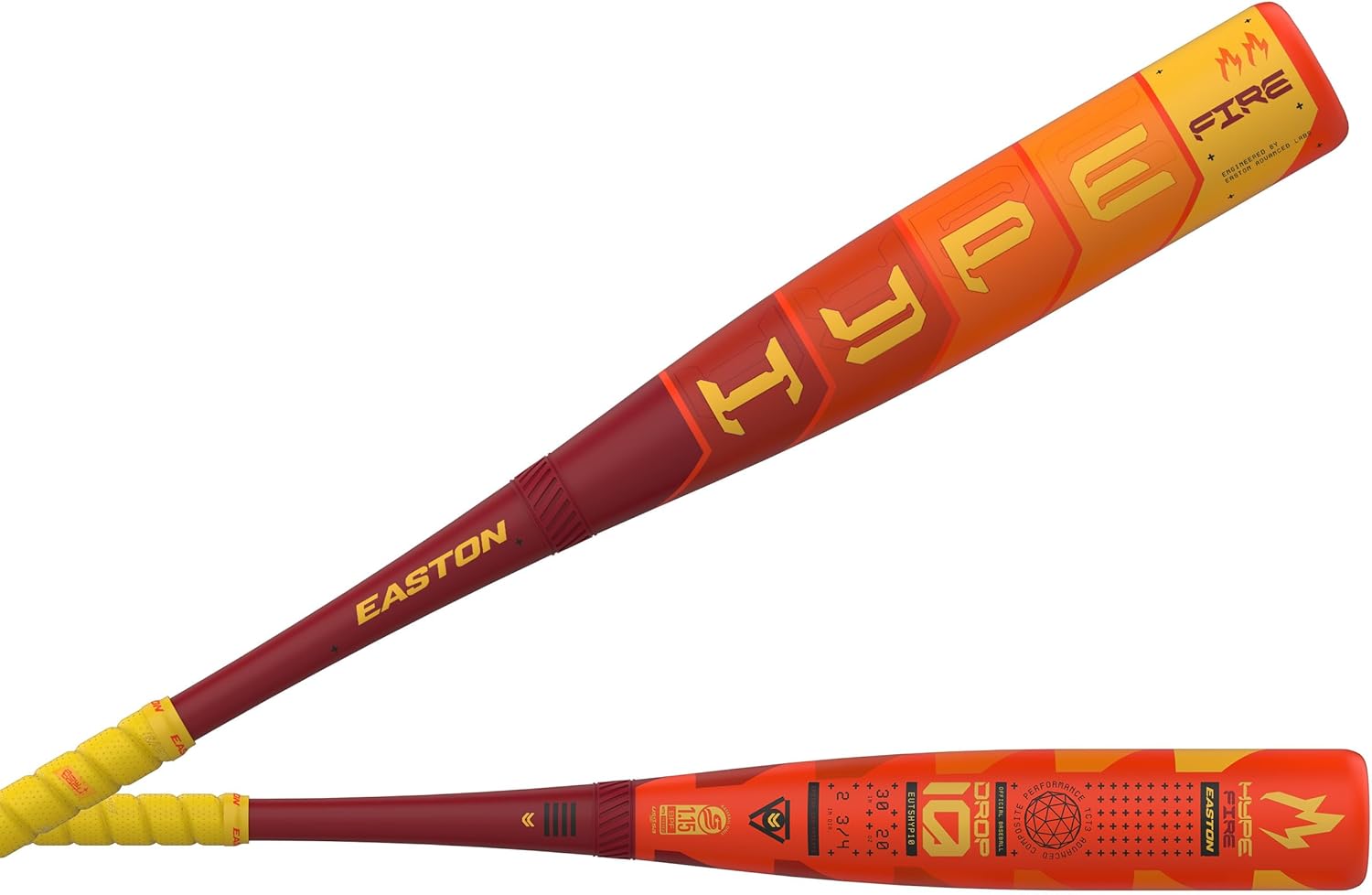
The Easton Hype Fire offers versatile performance for USA Baseball leagues. This two-piece composite bat features Thermo Composite Technology with a massive sweet spot. Players report it feels "hot" immediately without needing break-in time.
Key Features:
- Thermo Composite barrel construction
- Balanced swing weight
- Power Boost soft knob for comfort
- ConneXion Max joint reduces vibration
- USA Baseball certified
Best For: Players who want premium composite performance in USA leagues. Works well for contact hitters who want a balanced feel.
Price Range: $250-350
Best Premium USSSA Bat: Rawlings Icon (-10)

The Rawlings Icon dominates USSSA leagues with its In/Tense carbon composite construction. The large barrel and Zero Loss Collar technology create exceptional performance across the hitting surface.
Key Features:
- Multi-piece composite design
- Maximized barrel size
- Zero Loss Collar vibration reduction
- Balanced swing weight
- USSSA 1.15 BPF certified
- Available in drop 5, 8, 10, and 12
Best For: Serious travel ball players who need maximum barrel size and consistent performance. The large sweet spot helps developing hitters make solid contact.
Price Range: $300-400
Best Value USA Bat: Marucci CAT X (-10)

The Marucci CAT X provides reliable one-piece alloy construction at a moderate price. This bat requires no break-in period and delivers consistent performance from the first swing.
Key Features:
- Single-piece alloy construction
- AZ105 alloy material
- Anti-vibration knob
- Precision-balanced barrel
- Ring-free barrel design
- USA Baseball certified
Best For: Budget-conscious families who want proven performance. Perfect for recreational league players or as a backup bat.
Price Range: $150-200
Best Budget USSSA Bat: Louisville Slugger Omaha (-10)
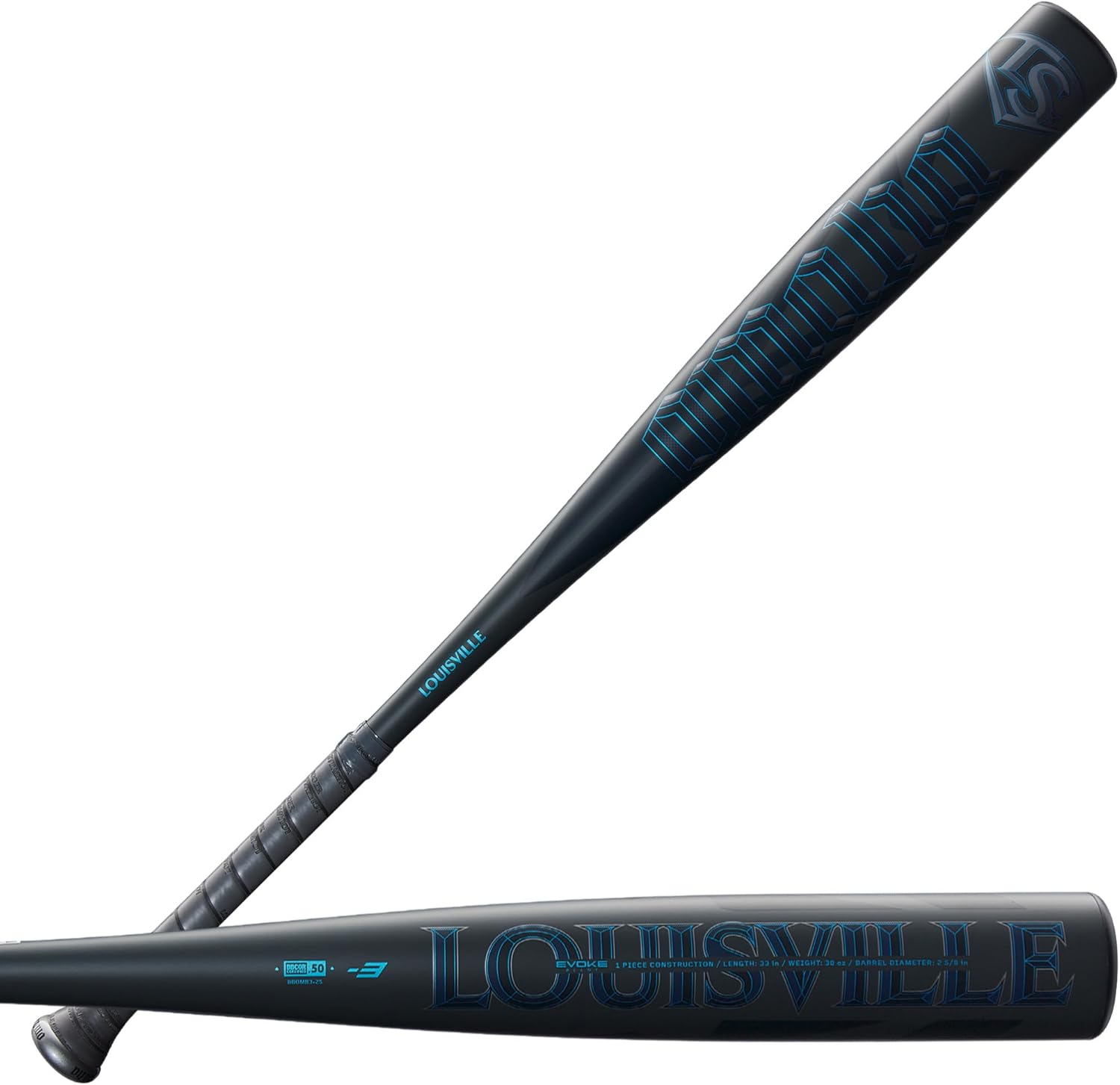
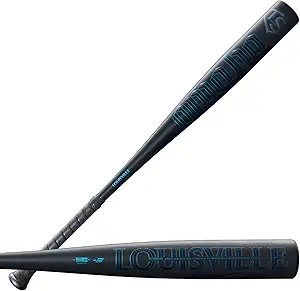
The Louisville Slugger Omaha offers solid USSSA performance for entry-level travel ball players. The one-piece alloy design provides a traditional feel at an accessible price point.
Key Features:
- One-piece alloy construction
- SL Hyper Alloy material
- Larger sweet spot
- Balanced swing weight
- USSSA 1.15 BPF certified
Best For: Players new to travel ball or those who prefer alloy bats. Good option for players transitioning from USA to USSSA leagues.
Price Range: $100-150
Best Hybrid Bat: DeMarini The Goods Hybrid (-10)
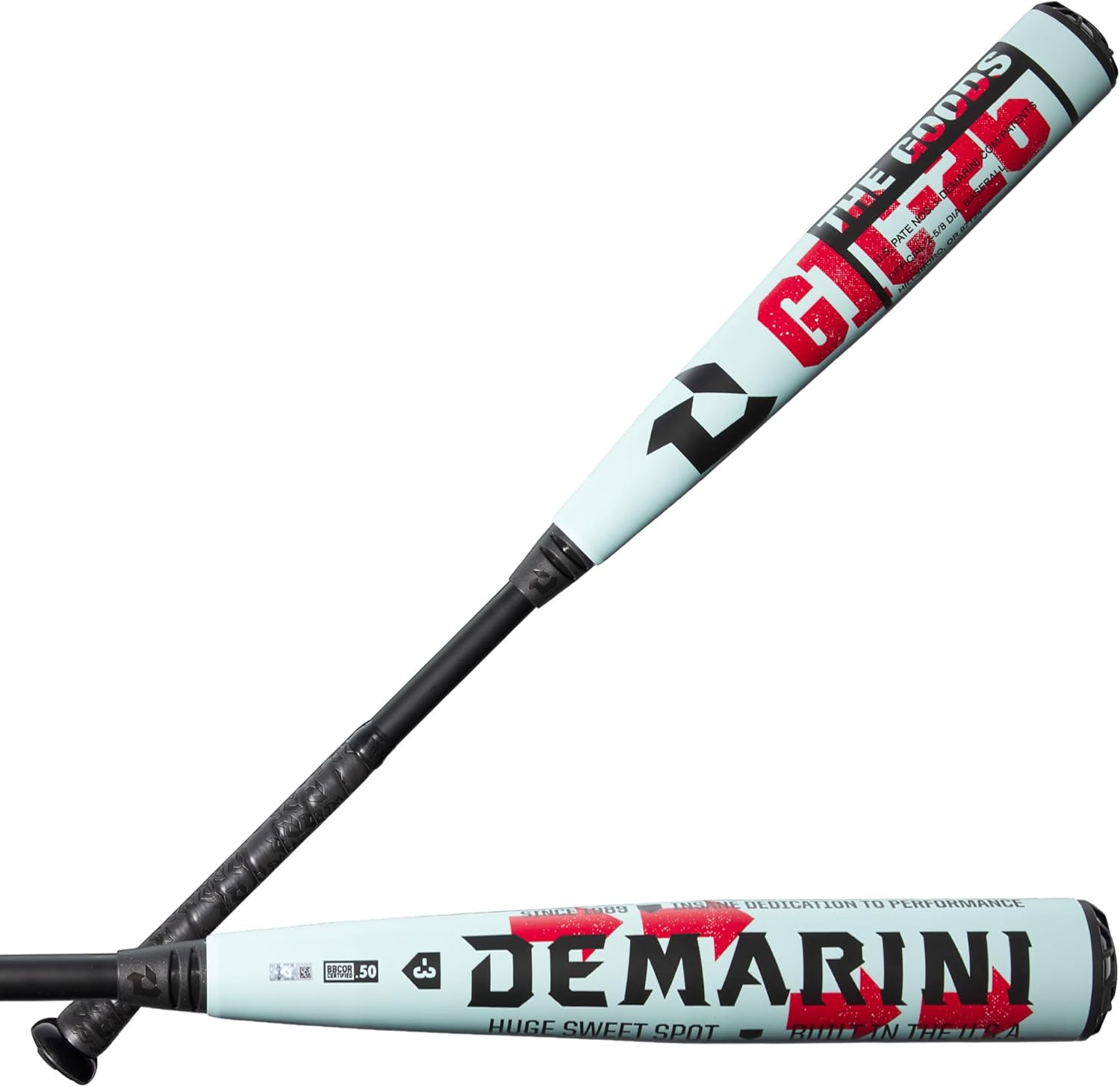
The DeMarini The Goods combines an alloy barrel with a composite handle. This hybrid construction offers the best of both worlds: immediate alloy performance with composite feel.
Key Features:
- X14 alloy barrel
- Paraflex Plus composite handle
- Half + Half construction
- Type V connection reduces vibration
- Available in USA and USSSA versions
Best For: Players who want the pop of alloy with the smooth feel of composite. Works well for contact hitters who prefer a stiffer feel.
Price Range: $200-250
Essential Features to Consider
Construction Types
One-Piece Alloy:
- No break-in required
- Traditional stiff feel
- Audible "ping" sound
- More durable in cold weather
- Lower price point
- Better for contact hitters
Two-Piece Composite:
- Requires 150-200 hit break-in
- Larger sweet spot
- Better vibration dampening
- Higher price point
- Maximum barrel flex
- Better for power hitters
Hybrid (Alloy Barrel + Composite Handle):
- Minimal break-in needed
- Balanced feel
- Good vibration control
- Mid-range price
- Versatile performance
Barrel Size Considerations
2 1/4" Barrel (USA Baseball): Smaller hitting surface requires more precise contact. Helps develop proper swing mechanics and hand-eye coordination.
2 5/8" Barrel (USA Baseball): Larger sweet spot available in some USA models. Gives developing hitters more room for error while learning.
2 3/4" Barrel (USSSA): Maximum barrel size for youth baseball. Creates largest sweet spot and highest exit velocities in youth equipment.
Swing Weight Balance
Balanced: Weight distributed evenly through the bat. Easier to control through the zone. Best for contact hitters and younger players developing mechanics.
End-Loaded: More weight in the barrel. Generates more momentum and power on contact. Requires more strength to control. Better for older, stronger players.
Most youth players perform best with balanced bats. End-loaded models can disrupt swing mechanics in developing players.
Break-In & Maintenance Tips
Breaking In Composite Bats
Composite bats need proper break-in to reach peak performance. Skip this process and you risk cracking the bat or voiding the warranty.
Break-In Process:
- Use regulation baseballs only (no cage balls during break-in)
- Hit 150-200 balls off a tee or soft toss
- Rotate the bat 1/4 turn after each hit to break in entire barrel
- Start with 40-50% power, gradually increase to full swings
- Avoid hitting in temperatures below 60°F during break-in
Alloy bats need no break-in and perform at peak level immediately.
Storage and Care
Proper storage extends bat life and maintains warranty coverage.
Temperature Guidelines:
- Store bats in climate-controlled areas
- Never leave bats in car trunks (excessive heat/cold)
- Avoid using in temperatures below 60°F
- Let bats warm to room temperature before use
Maintenance Tips:
- Clean bat with mild soap and water after use
- Check for cracks or dents before each game
- Replace worn grip tape as needed
- Store hanging or in bat rack (not leaning against walls)
Warranty Protection
Most manufacturers offer 12-month warranties against defects. Keep your receipt and register your bat online.
Common Warranty Exclusions:
- Using bat in temperatures below 60°F
- Hitting dimpled balls, cage balls, or weighted balls
- Using bat without proper break-in
- Normal wear and tear (paint chips, scratches)
- Structural damage from misuse
League-Specific Requirements
Little League
Little League requires USA Baseball certified bats. The bat must display the USA Baseball logo and meet dimensional standards.
Requirements:
- USA Baseball certification
- 2 1/4" to 2 5/8" barrel diameter
- Maximum 33 inches in length
- Drop weights typically -10 to -13.5
Travel Ball
Most travel organizations use USSSA standards. Check with your specific league as some use USA Baseball rules.
USSSA Requirements:
- 1.15 BPF certification stamp
- 2 3/4" barrel diameter maximum
- Maximum 34 inches in length
- Drop weights typically -5 to -12
Transitioning to High School
High school baseball requires BBCOR certified bats with -3 drop weight. Players transitioning from youth leagues face a significant adjustment.
Preparation Timeline:
- Age 11-12: Start using -8 to -10 drop weights
- Age 13: Move to -5 drop weight
- Age 14: Practice with BBCOR -3 bats
- High school: BBCOR -3 required
Players who gradually increase bat weight develop the strength and mechanics needed for high school baseball.
Common Buying Mistakes
Buying Too Heavy
Parents often buy heavy bats thinking more weight means more power. This backfires with young players who lack the strength to maintain bat speed. A slower swing produces less power regardless of bat weight.
Wrong Certification
Buying a USSSA bat for Little League or vice versa wastes money. Your player cannot use the bat in their league. Always verify league requirements before purchasing.
Skipping Sizing Charts
Using height and weight charts prevents expensive mistakes. A bat that's too long or too short hinders development and reduces performance.
Buying Last Year's Model Too Early
Wait until late winter when new models release. Prices drop 25-40% on previous year's bats with nearly identical performance.
Ignoring Break-In Requirements
Composite bats need proper break-in. Using them at full power immediately can crack the barrel and void warranties.
Making Your Decision
When choosing a youth baseball bat, prioritize proper sizing and league certification over brand names or price. A correctly sized bat from any major manufacturer will outperform an expensive bat in the wrong size.
Start with your league's certification requirements (USA Baseball or USSSA). Then match bat length and drop weight to your player's height, weight, and strength level. Finally, consider construction type based on your budget and your player's hitting style.
The Easton Hype Fire offers the best balance of performance and feel for USA Baseball leagues. The Rawlings Icon provides maximum barrel size and power for USSSA players. Budget-conscious families will find excellent value in the Marucci CAT X or Louisville Slugger Omaha.
Remember that bat technology changes slowly. Last year's models perform nearly identically to new releases. Waiting for price drops on previous year's inventory can save significant money without sacrificing performance.
Consider your player's development path when investing in equipment. A player planning to continue through high school should gradually increase bat weight to prepare for BBCOR requirements. Recreational players can prioritize comfort and enjoyment over performance specifications.
A quality bat combined with proper sizing and regular practice will help your young player develop confidence at the plate. This contributes to their long-term success in baseball.