![image of a customer service representative (focusing on workspace) [background image]](https://cdn.prod.website-files.com/686ff0f42c677102ebc56fac/69849c90f5b7a7f704d2f7be_depositphotos-547365204-l-1024x544-69849c495dc01.webp)


Last updated on:
February 5, 2026
TaskRabbit has established itself as a platform for connecting people with local help for everyday tasks. After examining the service structure, pricing, and user experience, this review analyzes whether TaskRabbit delivers value for both clients seeking help and taskers offering services.
Overview and First Impressions
TaskRabbit operates as an online marketplace connecting clients with local workers called "Taskers" who handle various tasks. Founded by Leah Busque in 2008 and acquired by IKEA in 2017, the platform serves over 70 cities across the United States, Canada, and the United Kingdom. The service covers more than 45 categories including furniture assembly, home repairs, cleaning, moving help, and general handyman work.
The platform presents a straightforward interface through both web and mobile apps. Clients describe their task, browse available taskers, and book based on hourly rates, reviews, and availability. Taskers set their own rates and choose which jobs to accept. The system handles payment processing and provides basic protection through terms of service.
Creating an account takes minutes. Clients enter task details, location, and timing preferences. The platform displays taskers who match the requirements, showing hourly rates, completion statistics, and customer reviews. Same-day booking remains possible in most markets when taskers have availability.

Service Categories and Coverage
The platform organizes services into seven main areas. Home repairs include mounting, installations, electrical work, and plumbing. Moving services cover packing, loading, unloading, and furniture rearrangement. Cleaning encompasses general house cleaning, deep cleaning, and organization. Furniture assembly handles IKEA and other brands. Delivery services move items locally. Yard work includes landscaping and outdoor maintenance. General help covers errands and miscellaneous tasks.
The service availability varies by location. Major metropolitan areas show dozens of taskers in popular categories. Smaller cities offer fewer options, particularly for specialized skills. The platform operates nationwide in the United States as of 2025, including Alaska and Hawaii. International presence remains limited to select Canadian and British cities.
Task categories receive different levels of coverage. Furniture assembly and general handyman work show consistent tasker availability. Specialized trades like electrical or plumbing may have limited options compared to dedicated contractor services. The platform works best for straightforward tasks that skilled non-professionals can handle competently. Example, installing a new dishwasher or setting up a new WiFi baby monitor.
Pricing Structure and Costs
Taskers set their own hourly rates, which range from $18 to $75 per hour depending on skill level, task complexity, and local market conditions. The average rate sits around $30 per hour. New taskers typically charge lower rates to build reviews and experience. Elite taskers with high ratings command premium pricing.
Clients pay a service fee on top of the tasker's hourly rate. The service fee ranges from 5% to 15% of the total task price, visible before booking confirmation. A Trust and Support fee adds approximately 7.5% to each invoice. These fees support platform operations, customer support, and the Happiness Pledge protection program.
Payment happens through the app after task completion. Taskers bill in 15-minute increments after the first hour based on actual work time. Clients can add tips through the platform. Material costs require separate reimbursement if taskers purchase supplies. The pricing transparency allows comparison shopping between taskers before committing.
The cost structure favors smaller tasks. Hiring a tasker for two hours of furniture assembly costs significantly less than booking professional movers for a full day. For major projects requiring licensed contractors, traditional service companies may offer better value despite higher base rates.
Booking Process and User Experience
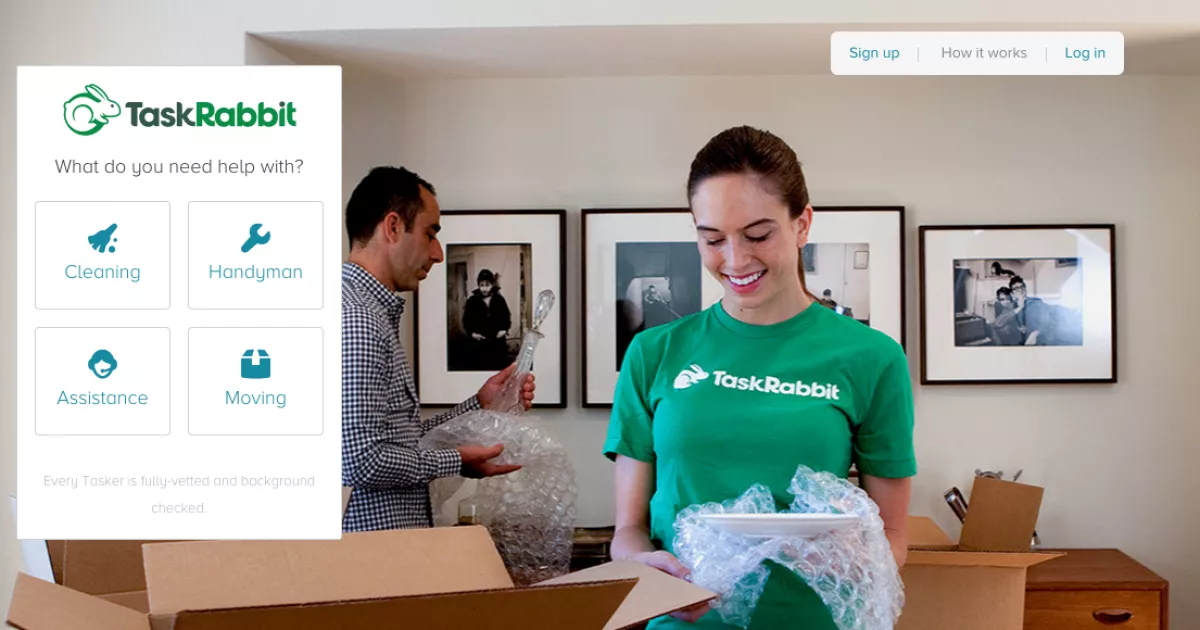
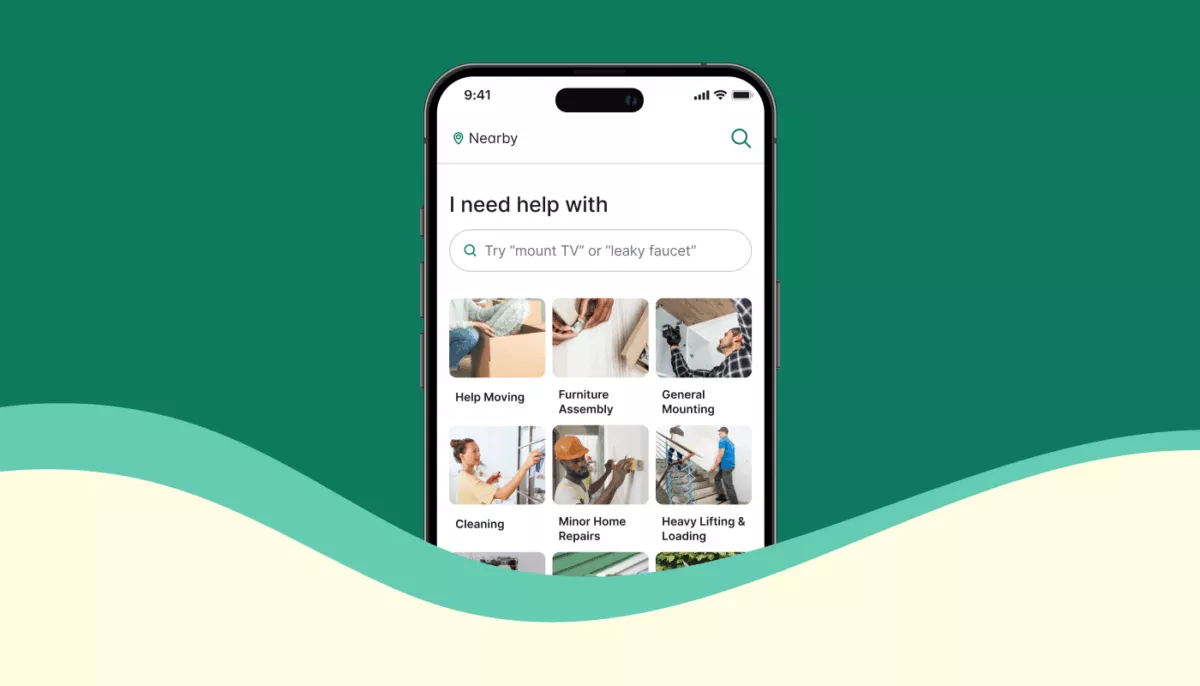
Booking starts with task description. Clients select a category, provide details about the work, specify location, and indicate timing preferences. The system suggests taskers based on availability, ratings, and distance. Clients review profiles showing completion rates, customer reviews, verification status, and hourly rates.
Communication happens through in-app messaging. Clients and taskers discuss task specifics, confirm access details, and clarify expectations before the appointment. The messaging system keeps all communication documented, which protects both parties if disputes arise. Phone calls route through the platform to maintain privacy.
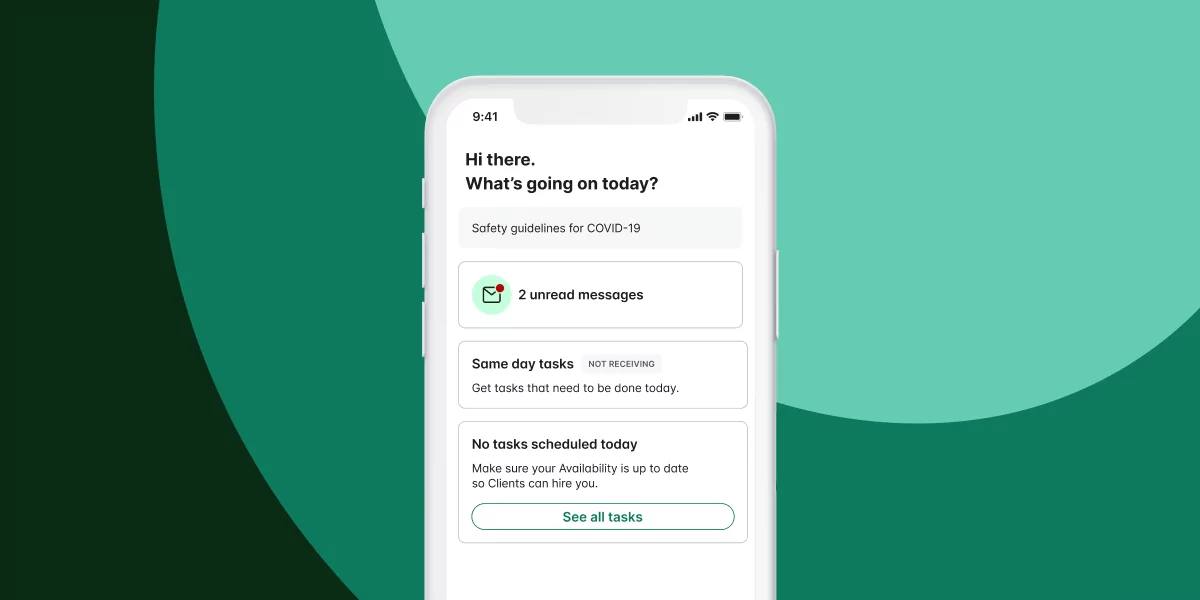
The interface design emphasizes simplicity. Finding taskers, comparing options, and booking appointments requires few clicks. The mobile app matches website functionality, allowing task management from anywhere. Push notifications alert clients to messages and booking confirmations.
Same-day booking works when taskers have availability. Emergency tasks or urgent needs find solutions more easily in large cities with many active taskers. Scheduling ahead provides more options and typically better rates, as taskers prefer planned work over last-minute requests.
Tasker Vetting and Quality Control
TaskRabbit vets all taskers through a registration process. Applicants pay a non-refundable $25 registration fee per city. The platform conducts background checks and identity verification. New taskers complete an orientation covering platform policies, safety guidelines, and customer service standards.
The review system provides quality feedback. Clients rate taskers after each job on overall performance, communication, and task quality. Reviews appear publicly on tasker profiles. Consistently high ratings help taskers rank higher in search results and charge premium rates. Poor performance leads to account suspension.
The Elite program recognizes top performers. Taskers maintaining high ratings and completion rates earn Elite status, which displays prominently on their profiles. This designation signals reliability to potential clients. Elite taskers often book faster and command higher rates than standard taskers.
Platform monitoring tracks tasker behavior. The system flags accounts showing suspicious activity, customer complaints, or policy violations. Support teams investigate issues and take action when necessary. Some users report account blocks that feel abrupt, though these aim to protect platform integrity.

Insurance and Protection Policies
TaskRabbit does not provide insurance coverage for tasker work. This represents a significant limitation compared to licensed contractors who carry liability insurance. Clients bear the risk if taskers damage property or cause injuries during work. Homeowners insurance may cover some incidents, but policies vary in what they protect.
The Happiness Pledge offers limited protection. This policy allows clients to request resolution if tasks remain incomplete or unsatisfactory. TaskRabbit may refund fees or help find another tasker to fix problems. The pledge covers up to $1 million in certain circumstances, though the specific coverage terms remain somewhat unclear.
Clients should verify tasker skills match task requirements. Hiring a tasker for electrical work carries more risk than booking furniture assembly. For tasks requiring licensed professionals, using TaskRabbit may violate local regulations or void warranties. The platform leaves qualification verification largely to clients.
Payment protection works through the platform. TaskRabbit holds payment until task completion, protecting clients from paying for incomplete work. Taskers receive guaranteed payment for completed tasks, avoiding collection issues. This escrow-style system provides security for both parties.
For Taskers: Income and Experience
Taskers set their own schedules and accept jobs that fit their availability. This flexibility appeals to students, freelancers, and anyone seeking supplemental income. The platform provides consistent work opportunities in active markets. Taskers in major cities report steady demand across various categories.
Earnings vary based on rates, hours worked, and task volume. Taskers receive 100% of their hourly rate minus no platform commission on the tasker side. The 15% service fee comes from clients. Taskers keep all tips and reimbursements for materials. Income potential depends on market conditions, skill level, and willingness to work varied hours.
The pricing guidance feature shows taskers competitive rates for their market and skill level. This data-driven approach helps taskers set rates that attract bookings while maximizing earnings. Rates increase as taskers build reviews and Elite status. New taskers often start lower to build reputation quickly.
Taskers receive payments through direct deposit. Funds transfer within 24 hours after task completion, though some deposits take up to five business days. The fast payment cycle helps taskers manage cash flow better than waiting for traditional invoicing and payment terms.
Partner Task Program
TaskRabbit partners with brands to offer fixed-price tasks. These pre-packaged jobs include installation and assembly services for companies like IKEA, Wayfair, and others. Partner tasks show clear earnings upfront and require specific skills matched to the work.
The partner program benefits taskers through consistent job flow. Brands purchasing services in bulk create steady demand. Fixed pricing eliminates negotiation but may pay less than open-market rates for comparable work. Taskers cannot add expenses to partner tasks, limiting income flexibility.
Clients booking partner tasks experience simplified pricing. The fixed rates remove uncertainty about final costs. The brand backing adds perceived quality assurance. These tasks work well for standard services like furniture assembly where outcomes remain predictable.
Platform Strengths
The marketplace model creates pricing competition that benefits clients. Multiple taskers bidding on work drives rates down while maintaining quality through reviews. Clients control costs by choosing taskers at various price points. This transparency exceeds traditional contractor pricing where quotes vary wildly.
The speed of service matches modern expectations. Same-day help becomes possible for urgent needs. The app-based booking removes phone tag and scheduling hassles. Digital communication provides documentation that protects both parties. The convenience factor justifies the service fees for many users.
The review system builds trust between strangers. Detailed feedback from previous clients helps predict tasker performance. The rating requirements push taskers toward quality work and good customer service. This peer accountability replaces traditional licensing and bonding for many task types.
The platform handles payment securely. Clients avoid handing cash to strangers or managing payment collection. Taskers receive guaranteed payment for completed work. The electronic records simplify expense tracking and tax preparation for both parties.
Common Limitations
The lack of insurance coverage creates risk for property damage or injuries. Hiring unlicensed taskers for work requiring permits or specialized skills may violate codes or void warranties. Clients assume responsibility for vetting qualifications beyond platform verification. This shifts risk from the platform to users.
Service fees add 12-22% to total costs when combining the service fee and Trust and Support fee. A task priced at $30 per hour for two hours costs approximately $73 after fees, not including tips. These additions make TaskRabbit less economical than it initially appears. Budget-conscious clients should calculate total costs before booking.
Availability fluctuates based on location and timing. Small cities show limited tasker pools. Peak times see fewer available slots. Specialized skills remain scarce even in major markets. Clients may wait days for preferred taskers or settle for less-reviewed options.
The platform focuses on task completion rather than building ongoing relationships. Most interactions remain transactional. Clients seeking regular help must rebook through the platform each time, preventing direct relationships that might offer better rates. This structure protects the platform but adds friction for repeat services.
Comparison with Alternatives
Thumbtack operates similarly but uses a lead generation model. Service providers pay for client contact information rather than clients paying service fees. This structure may result in lower total costs for some tasks. Thumbtack covers broader service categories including professional services beyond home tasks.
Handy specializes in cleaning and handyman services with more standardized pricing. The platform employs more direct oversight of service quality. Handy charges higher commission rates to taskers but may provide more consistent work flow. The trade-off favors different business models for different worker types.
Traditional contractor services offer licensed professionals with insurance coverage. These providers charge higher rates but include legal protections and warranty work. For complex projects requiring permits or specialized skills, licensed contractors remain the better choice despite higher costs.
Neighborhood apps and local Facebook groups provide free alternatives for finding help. These options lack vetting, payment protection, and dispute resolution. The platforms work for people comfortable with higher risk in exchange for potentially lower costs and more personal connections.
Best Use Cases
TaskRabbit excels at straightforward tasks that skilled generalists can handle. Furniture assembly, basic cleaning, moving help, and simple installations match the platform's strengths. These jobs benefit from competitive pricing and quick booking without requiring specialized licensing.
One-time needs suit the platform better than ongoing services. Clients moving to a new city, hosting events, or handling seasonal projects find value in on-demand help. The lack of relationship-building features makes regular maintenance or weekly services less efficient than direct arrangements.
Budget-conscious clients seeking quality work can find value by shopping rates carefully. Comparing multiple taskers and booking during off-peak times yields better pricing. The transparency allows informed decisions that traditional contractor quoting processes obscure.
Taskers seeking flexible supplemental income benefit from the platform. Students, freelancers, and anyone with schedule constraints can work when available. The quick payment and variety of tasks prevent monotony. Building Elite status creates income growth potential over time.
Tasks Requiring Caution
Electrical and plumbing work requires licensed contractors in most jurisdictions. Using unlicensed taskers may violate building codes and void insurance coverage. Complex repairs carry liability risks that TaskRabbit's protection doesn't adequately cover. These tasks warrant traditional contractor services despite higher costs.
High-value property needs careful consideration. Taskers handling expensive items or working in valuable homes create risk exposure. The lack of comprehensive insurance means damaged property may not receive adequate compensation. Homeowners should verify their insurance covers tasker-caused damage before booking.
Recurring services become inefficient through the platform. Weekly cleaning or regular maintenance costs more through TaskRabbit than direct arrangements. The service fees and inability to build direct relationships add unnecessary expenses for ongoing needs. Using the platform for initial connection then arranging direct service may violate terms but occurs frequently.
Security and Safety Considerations
Background checks provide basic screening but don't guarantee trustworthiness. Clients should remain present during initial tasks with new taskers. Valuables should be secured and access limited to necessary areas. The platform verification offers baseline screening but not comprehensive vetting.
Communication through the platform protects privacy initially. Phone numbers and addresses remain hidden until booking confirmation. The in-app messaging creates documentation if disputes arise. Users should maintain platform communication rather than moving to personal contacts for protection.
Reviews from other clients provide the best safety information. Multiple detailed reviews from different clients indicate consistent behavior. Single reviews or accounts with few completed tasks carry more risk. Taking time to review tasker history before booking improves outcomes.
Customer Support Experience
Support operates primarily through email and in-app chat. Response times vary from hours to days depending on issue complexity and volume. Phone support exists but requires navigating through help articles first. The support quality receives mixed reviews, with some users reporting quick resolution and others experiencing frustration.
The Happiness Pledge provides recourse for unsatisfactory work. Clients can request another tasker to fix problems or receive partial refunds. The resolution process requires documentation and may take several days. Success rates vary based on issue nature and evidence quality.
Platform policies favor documented communication. Requests made outside the app or agreements reached through text messages receive less support protection. Following platform procedures becomes important for claim validity. This structure protects the platform but adds requirements for users.
Final Verdict
TaskRabbit succeeds as a convenient platform for booking help with everyday tasks. The competitive pricing, quick availability, and review-based quality control work well for straightforward jobs. The service fills a gap between doing tasks yourself and hiring traditional contractors.
The platform serves clients needing occasional help with home tasks, moving assistance, or general handyman work. The transparency in pricing and tasker selection provides control over costs and quality. Same-day availability solves urgent needs that traditional services cannot accommodate quickly.
The limitations become significant for complex projects, high-value work, or ongoing services. The lack of insurance coverage, service fee costs, and inability to build direct relationships reduce value in these scenarios. Clients should understand what protection they receive and what risks they assume.
For taskers, the platform offers legitimate supplemental income with schedule flexibility. The payment speed and work variety appeal to people seeking side income. Building reputation through reviews creates income growth over time. The model works better for supplemental income than primary employment for most markets.
TaskRabbit occupies a useful position in the service marketplace. The platform makes hiring help accessible and transparent. While not suitable for every situation, it solves real problems for both clients seeking help and workers offering services. Understanding the strengths and limitations helps users determine when TaskRabbit provides genuine value.