Buying a Stroller Shouldn't Be This Complicated
A quick search for strollers returns hundreds of models, each claiming to be the lightest, the most compact, or the most “all-in-one” system on the market.
It's easy to assume the right stroller is whichever one has the longest list of features.
In reality, most parents don't need most of those features.
The best stroller isn't the one with the most attachments or the flashiest fabric. It's the one that folds in the time it takes to buckle in a toddler, fits in your trunk without a fight, and works with the car seat you already own — or comes with one.
That's why this guide focuses less on specifications and more on real-world ownership. We'll explain which features genuinely change your daily life, which ones mostly show up in marketing copy, and how to choose confidently instead of getting lost comparing thirty different models.
Whether you're buying your first stroller or replacing one that's finally worn out, by the end of this guide you'll know exactly what to prioritize — and what you can safely skip.
Before You Buy
Ask yourself these four questions:
Your answers will eliminate most of the options before you even start comparing models.
Understanding the Different Types of Strollers
Every stroller falls into one of four main categories.
Understanding the differences now will make every other buying decision much easier.
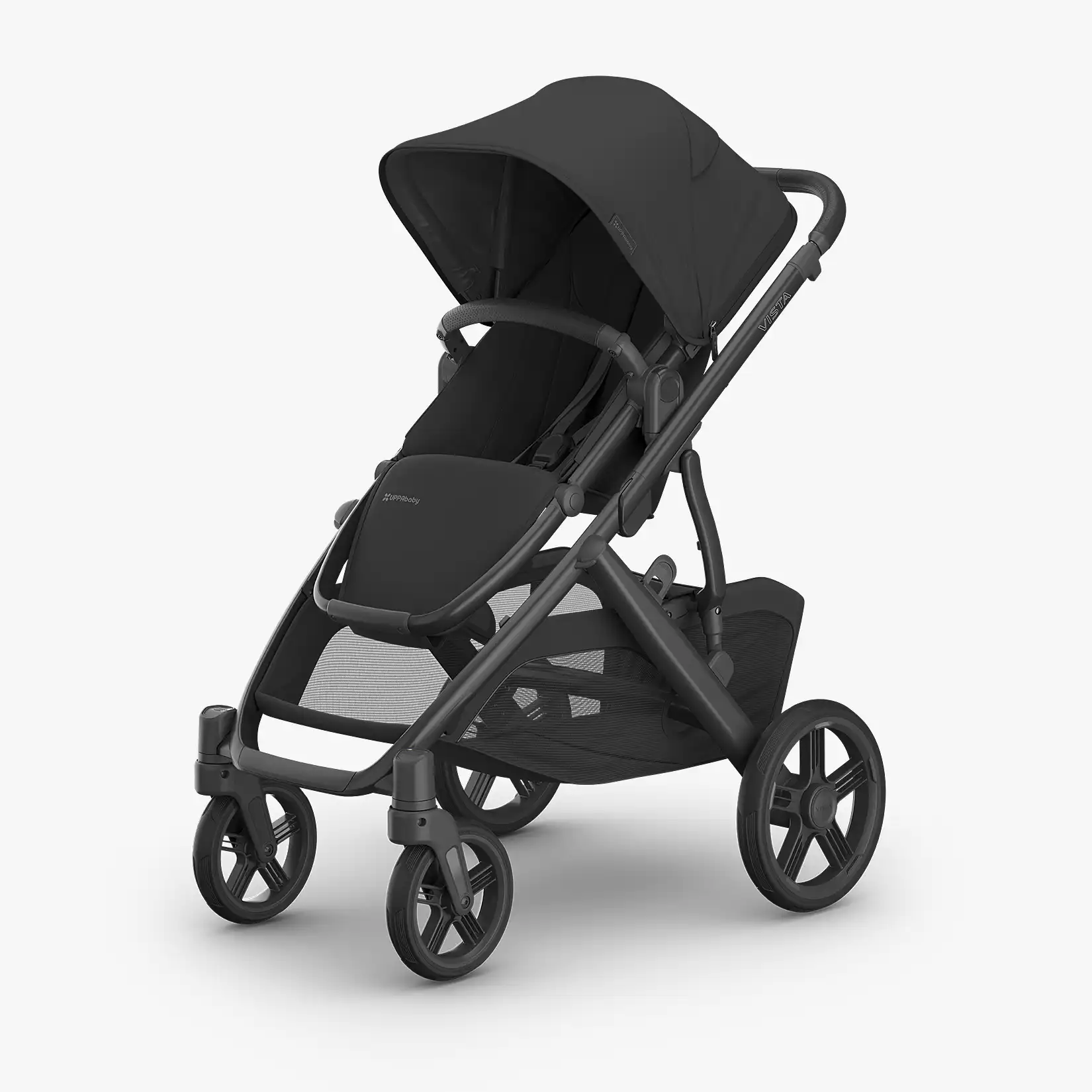
Built for everyday comfort — a smooth ride, a big storage basket, and room to grow. The trade-off is size and weight.
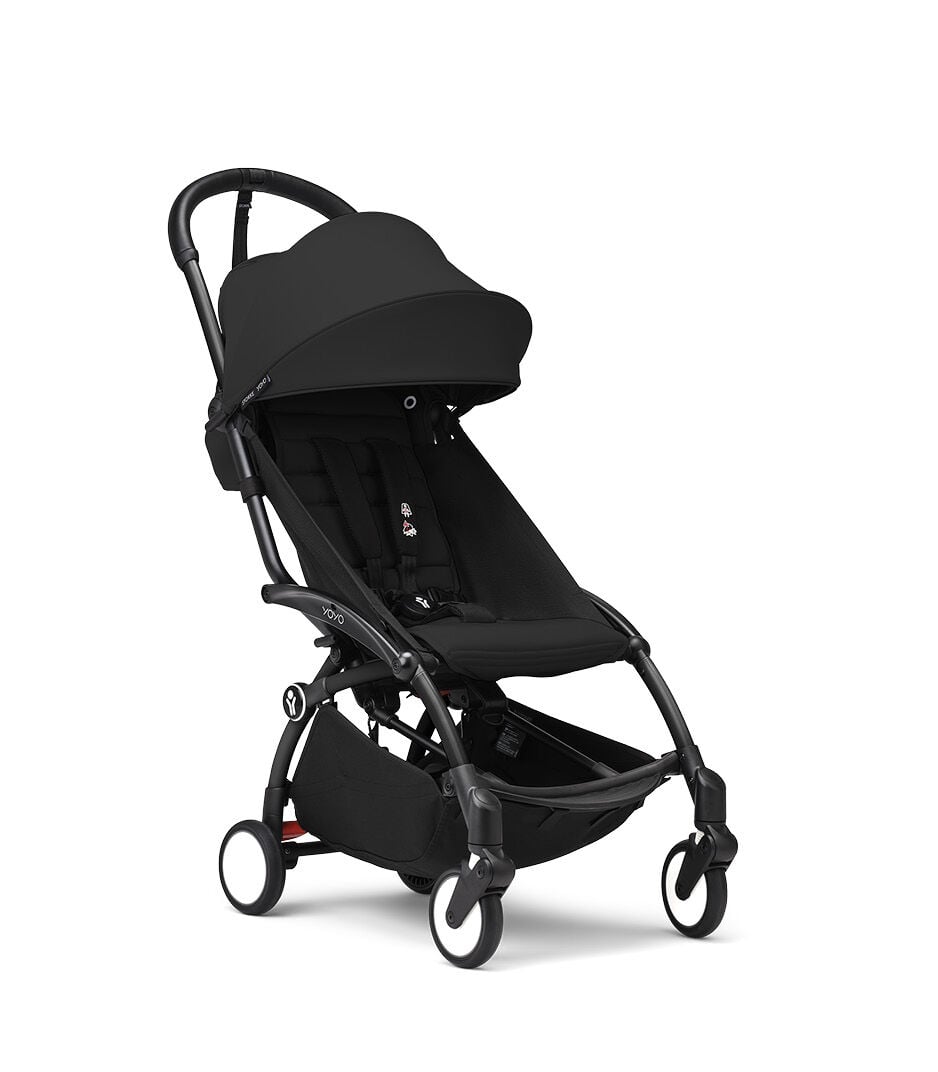
Compact, easy to carry, and quick to fold. Comfortable enough for errands, but usually not built for infants or rough terrain.
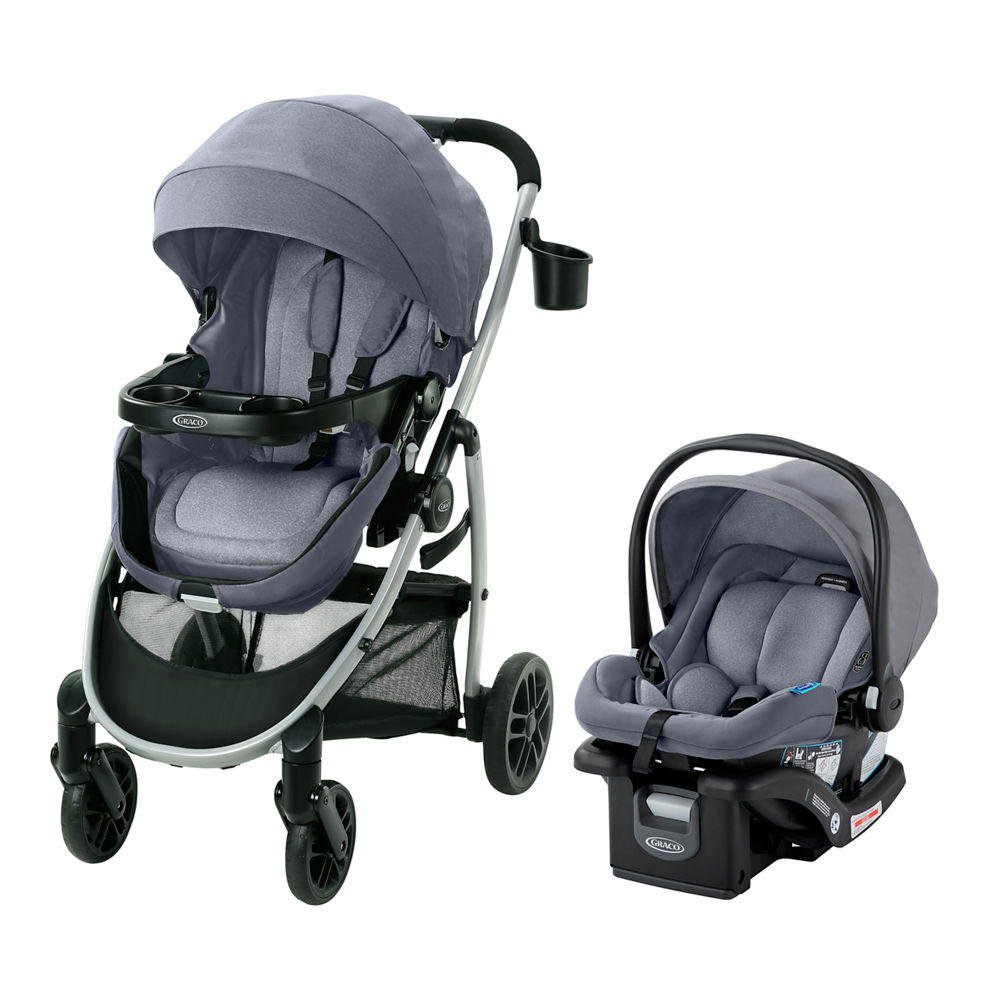
A stroller bundled with a matching infant car seat, so you can move your baby from car to stroller without waking them.
Large air-filled tires and a lockable front wheel built for running and rough terrain — not designed for tight indoor spaces.
Which Type Is Right for You?
| If you want... | Choose... |
|---|---|
| One stroller that does it all | Full-size stroller |
| The lightest possible everyday option | Lightweight / umbrella stroller |
| A newborn-ready setup out of the box | Travel system |
| To keep running or hit the trails | Jogging stroller |
| Airline-overhead-bin portability | Ultra-compact travel stroller |
Buy the stroller that matches how you'll actually use it. Don't pay for jogging-grade suspension if you'll never leave the sidewalk, and don't buy the lightest travel stroller if it needs to survive daycare drop-off every single day.
Newborn Compatibility Explained
This is one of the most common points of confusion for first-time parents.
Not every stroller can be used from birth.
A newborn's neck and spine aren't ready for an upright, semi-reclined seat. Most pediatricians recommend a fully flat recline, a bassinet, or an infant car seat until your baby can sit up unassisted — usually around 4 to 6 months.
There are three ways a stroller becomes newborn-ready:
Any one of these works. You don't need all three.
If a stroller's seat only reclines partway, and it doesn't support a bassinet or a car seat, it isn't safe for a newborn — no matter how nice it looks in photos.
If you're buying a travel system, the included infant car seat already makes the stroller newborn-ready on day one. You don't need to buy a bassinet separately unless you want the pram-style ride for very young infants.
Before you fall in love with a stroller, confirm how it handles a newborn. It's the one requirement that isn't optional.
Travel System vs. Buying Separately: Which Should You Choose?
If there's one decision that shapes the rest of your buying process, it's this one.
Should you buy a travel system that bundles a stroller and infant car seat together, or choose the stroller and car seat separately?
You'll find passionate opinions on both sides, and after looking at dozens of products, we think the answer is surprisingly simple.
Neither is universally better.
The best choice depends on your priorities.
Pros: Stroller and infant car seat click together and just work. One purchase, one return policy, guaranteed compatibility from day one.
Cons: The included car seat is often a mid-tier model — you may outgrow or want to upgrade it before you outgrow the stroller.
Pros: Choose the car seat and stroller each on their own merits — often a better seat, a better stroller, or both, for similar total cost.
Cons: You're responsible for confirming compatibility — or buying a separate adapter — before the car seat will click into the stroller.
Compatibility Matters More Than Matching
One of the biggest misconceptions is that a travel system automatically means better performance.
It doesn't.
A travel system guarantees the stroller and car seat click together.
It doesn't guarantee either piece is the best one for your family.
Buying separately relies on you doing the compatibility homework.
Most major stroller brands publish compatible car seat lists, and most name-brand car seats work with an adapter even when the brands don't match.
Check that list before you buy either piece — not after.
Neither approach is foolproof.
The important question isn't which approach is better.
It's which one actually saves you money and hassle
What About Long-Term Cost?
This is one of the most common questions we hear from parents comparing the two approaches.
The good news is that travel systems are genuinely priced to save you money up front.
Buying the stroller and a comparable infant car seat separately often costs noticeably more than the bundled travel system price.
That said, the included car seat is rarely the top-rated seat in its class.
If car seat safety ratings and features matter most to you, buying that seat separately — even at a premium — and pairing it with an adapter often makes more sense.
That doesn't make travel systems a bad value.
It simply means the savings come with a trade-off worth understanding upfront.
Travel System vs. Buying Separately at a Glance
| Feature | Travel System | Separate |
|---|---|---|
| Upfront cost | ✅ | ❌ |
| Guaranteed compatibility | ✅ | Sometimes |
| Top-rated car seat options | ❌ | ✅ |
| One-box simplicity | ✅ | ❌ |
| Best-in-class stroller frame | Sometimes | ✅ |
| No adapter shopping | ✅ | ❌ |
| Long-term flexibility | Good | Excellent |
If you don't have strong opinions about car seat brands and just want everything to work together on day one, a well-reviewed travel system will likely give you everything you need — often with less research and lower upfront cost.
If we were buying today, we'd recommend a well-reviewed travel system for most first-time parents. It's simple, guarantees compatibility from day one, and usually costs less than buying both pieces separately. We'd buy separately only if we already had strong opinions about which car seat we wanted.
Do You Need More Than One Stroller?
For many new parents, a single full-size stroller feels like the obvious answer.
In most cases, it is.
That doesn't mean every family only ever needs one stroller, though.
If most of your outings are neighborhood walks, errands, and the occasional flight, one well-chosen stroller can realistically cover everything.
As your routine gets more varied — regular travel, a daycare drop-off that means folding and unfolding constantly, or runs that need real suspension — a second, more specialized stroller starts to earn its keep.
Instead of asking one stroller to do everything well, a second stroller lets each one do its job better: one for comfort and storage, one for speed and portability.
That's where a second stroller earns its place.
It doesn't mean your first stroller was the wrong choice. It just means your life outgrew what one stroller could reasonably do.
The One-Stroller Household
Many parents assume they'll eventually need a lightweight stroller, a jogging stroller, and a full-size stroller.
In reality, most don't.
If your full-size stroller already folds reasonably well and fits in your trunk, it can usually handle errands, vacations, and the occasional flight too.
The extra weight and size become an inconvenience, not a dealbreaker.
You fold it, load it, and move on with your day.
Those small, repeated moments of loading and unloading are what most parents actually experience — and they're exactly why a stroller that folds and stores easily matters more than owning multiple strollers for different scenarios.
When a Second Stroller Makes Sense
There are situations where a second, more specialized stroller genuinely earns its cost.
If you fly several times a year, live somewhere with lots of stairs, or run regularly on trails, a dedicated travel stroller or jogging stroller solves a problem your everyday stroller simply isn't built for.
The goal isn't to own every type of stroller.
The goal is to solve a specific, recurring problem.
If you don't have that problem yet, there's no reason to buy for it.
If your full-size stroller already fits in your trunk and folds without a fight, you probably don't need a second stroller yet. Add one later if a specific situation — travel, stairs, running — actually comes up.
Most families do fine with one well-chosen stroller. Add a second one when a real, recurring situation demands it — not because a lighter or more specialized model looked appealing in the store.
Does Stroller Weight Actually Matter?
Walk through the stroller aisle at almost any retailer and you'll notice a familiar pattern.
Every box promises to be lighter.
One advertises 21 pounds.
Another highlights 16 pounds.
Premium travel strollers proudly display numbers under 14 pounds.
It's easy to assume the lightest stroller automatically delivers the best experience.
For most families, that's rarely true.
Unlike a suitcase you pack once and forget, you're lifting, folding, and carrying this thing constantly. Most of the time, weight only really matters in a few specific moments of your day.
Can I lift it into the trunk with one arm?
Can I carry it up a flight of stairs while holding my baby?
Can I fold it quickly, one-handed, at daycare pickup?
Do I need to carry it through a single doorway or narrow aisle?
Those moments don't require the lightest stroller on the market.
They require a stroller you can manage without a second person.
That's an important difference.
Why We Recommend the High Teens for Everyday Use
For most families, a stroller in the high teens to low twenties — roughly 16 to 23 pounds — offers the best balance of stability, storage, and everyday manageability. It's light enough to lift into a trunk without a fight, while still feeling sturdy on daily walks.
We'd much rather buy a stable 20-pound stroller with a great one-hand fold than a 13-pound model that feels flimsy on uneven pavement.
The Few Times Ultra-Light Really Matters
There are situations where an ultra-lightweight stroller, under about 15 pounds, provides a real advantage.
If you fly several times a year, live in a walk-up apartment, or rely on public transit, shaving off every extra pound genuinely changes your day.
Frequent flyers in particular benefit from a stroller compact and light enough to carry onto the plane instead of gate-checking it.
Those benefits are real.
They're simply much smaller than marketing departments would have you believe for a family that's mostly running errands around town.
What We'd Prioritize
| Stability on pavement | Excellent |
| One-hand fold | Excellent |
| Storage basket size | Excellent |
| Maneuverability | Good |
| Adjustable handlebar | Good |
| Recline depth | Good |
| Weight under 15 lbs | Fair |
If we had an extra $100 to spend, we'd invest it in a better fold, bigger storage, or smoother wheels before we'd spend it chasing the lowest possible weight.
The Fold: The Feature Most Parents Underestimate
If you only compare strollers in the store, you'll miss one of the biggest differences between them.
Almost every stroller looks manageable when a salesperson demonstrates the fold in an empty aisle.
Daycare pickup, with a squirming toddler on your hip, is where quality becomes obvious.
Since most parents fold and unfold their stroller multiple times a day, the fold deserves far more attention than almost any spec on the box.
What Makes a Good Fold?
Nearly every stroller folds down somehow, but the results vary widely.
The best strollers combine a simple one-hand mechanism with a frame that locks securely and doesn't need anything lined up first. That's far more important day to day than a slightly smaller folded footprint.
Do You Need a Self-Standing Fold?
Some premium strollers now advertise a fold that stands on its own without leaning against anything.
It sounds like a small detail.
It's more useful than it sounds.
A self-standing fold means you can set it down in a restaurant, an airport gate, or your own entryway without it toppling over or needing a wall nearby.
In a cramped hallway or a crowded gate area, that difference is genuinely noticeable.
A traditional leaning fold remains more than capable for most households.
We wouldn't pay a big premium for a self-standing fold alone.
Choosing a stroller because the fold looked effortless in a spacious showroom, instead of testing it one-handed, in an aisle, the way you'll actually use it.
Why a Good Fold Reduces Stress
One of the biggest benefits of a great fold isn't technical.
It's emotional.
You've got a toddler on one hip, a diaper bag on the other shoulder, and thirty seconds before the light changes. You fold the stroller one-handed without even thinking about it. That's exactly the kind of everyday moment a good stroller should make easier.
If you have to choose between a lighter stroller and one with a genuinely great one-hand fold, choose the fold every time.
You'll notice the difference almost every single day.
Will It Actually Fit Your Life?
One of the easiest specs to misunderstand is folded size.
Manufacturers often advertise folded widths like:
Those numbers aren't inaccurate.
They're usually measured with the canopy down, no attachments, and nothing in the basket.
Your stroller, loaded up for a real outing, almost certainly isn't measured that way.
A car seat adapter, a parent console, or a rain cover can all add inches you didn't account for.
That's why the folded number on the box rarely reflects what actually fits in your trunk.
How Much Space Do You Actually Need?
Probably less than the spec sheet makes you worry about.
If you drive a mid-size SUV or larger and live on the ground floor, almost any stroller will fit without a second thought.
Smaller trunks and walk-up apartments deserve more attention.
If you drive a compact car, live above the ground floor, or need to carry the stroller through a single door, you'll benefit from a genuinely compact fold.
Instead of asking which stroller advertises the smallest fold, measure your actual trunk, closet, or hallway first.
If you have a full-size trunk and a ground-floor entryway, almost any stroller will fit. If you're working with a compact car or a walk-up apartment, it's worth prioritizing a genuinely compact fold over almost anything else on this list.
For most families, advertised folded dimensions matter far less than whether the stroller actually fits your trunk, closet, and doorways — measured with everything attached.
Wheels & Terrain: Why They Change Everything
Wheels aren't the feature you'll notice when shopping.
They're the feature you'll notice on the first cracked sidewalk.
A stroller that rolls smoothly over curb cuts, gravel, and uneven pavement quickly becomes something you stop thinking about. That's exactly what you want.
For most families, we think a stroller should handle typical sidewalks, curb cuts, and the occasional patch of grass without a fight. Larger wheels and real suspension make a bigger everyday difference than almost any other spec — especially once you're steering one-handed while holding a coffee or a toddler's hand.
A stroller with dependable wheels and suspension quickly becomes something you stop thinking about. That's exactly what you want from a product you'll use every single day.
The Features You'll Appreciate Every Day
Most modern strollers cover the basics, but the small everyday details are where they really start to differ: the size and reach of the storage basket, a cup holder that's actually usable, a parent console that doesn't block the recline lever, a magnetic or one-hand harness buckle, and a seat pad you can actually get clean after snack time goes wrong.
We wouldn't choose one stroller over another based on the cup holder alone, but we'd absolutely read reviews for complaints about a shallow basket, an awkward parent console, or fabric that's a hassle to clean — you'll notice these details on every single outing, not just the big ones.
None of these features will sell a stroller on their own, but a stroller that gets these small details right is one you'll actually enjoy using every day — not just tolerate.
Features Worth Paying For
Walk through the feature list of a premium stroller and you'll find everything from adjustable-height handlebars to all-wheel suspension, reversible seats, one-hand recline, and bassinet attachments.
Some of these features genuinely improve the experience.
Others sound more impressive than they actually are.
Not every premium feature is worth paying extra for — but a few genuinely improve everyday use. Here's how we'd prioritize them.
Adjustable Handlebar
If we could recommend only one premium feature, this would probably be it.
As the person pushing the stroller changes — one parent, then the other, then a grandparent — a fixed handlebar height stops working for everyone.
A handlebar height that felt perfect for one parent can force the other into an awkward hunch.
An adjustable handlebar lets each person set their own height without compromise.
You'll likely use it far more often than you expect.
A parent cup holder is fine for the occasional coffee run. A child snack tray is nice to have, but rarely worth paying a big premium for.
Not a premium feature on paper, but larger, air-filled tires give a noticeably smoother ride and keep the stroller from getting stuck on grass or gravel.
Genuinely useful for shading a napping baby on sunny days. Not worth a big premium, but a nice bonus if the coverage is generous.
Useful when the weather turns, but most families don't reach for it more than a few times a year. A bonus, not a requirement.
Expandable / Double-Stroller Compatibility
This is one feature that's easy to overlook until you suddenly need it.
If you expect another child in the next few years, choosing a stroller frame that can expand to a double configuration can save you from replacing your entire setup.
Many full-size frames support a second seat or a ride-along board with the right accessories.
If you're confident you'll only ever have one child using the stroller, don't spend extra for this feature.
If you're unsure, it's a smart form of future-proofing.
One-Hand Recline
This is one of our favorite small features.
Instead of stopping to fuss with a strap or lever using both hands, a one-hand recline lets you lay the seat back while your other hand stays on the handlebar or your child.
The result?
A baby who falls asleep mid-walk without you having to wake them to adjust anything.
Simple features that improve everyday ownership are often the most valuable.
Reversible Seat
A reversible, parent-facing seat can be genuinely useful, particularly for younger babies.
The trade-off is added weight.
Some reversible seats add enough bulk that the stroller becomes noticeably harder to lift and fold.
It's only worth the extra weight if you'll actually flip the seat regularly, not just once.
Smart / App-Connected Features
App connectivity is one of the newest additions to premium strollers.
Some systems track mileage, remind you about maintenance, or log outings through a companion app.
It's interesting technology.
But we'd caution against letting it drive your purchasing decision.
Most parents care far more about whether the stroller folds easily, steers well, and holds up over years of use than they do about a companion app.
If smart features come included, great.
We wouldn't pay significantly more for them.
Bassinet / Newborn Attachments
A bassinet attachment lets a newborn lie flat rather than reclined, which many pediatricians recommend for very young infants.
For some parents, especially in the first few months, that can be appealing.
The downside is that many manufacturers sell the bassinet as a separate accessory, often for $150 to $250 extra.
Before paying for one, ask yourself:
"Will I actually use this for more than a few months before my baby sits up?"
For many families, the honest answer is not for very long.
Don't choose a stroller because of its accessory ecosystem. Choose it because it's an excellent everyday stroller before you ever add a single attachment.
How We'd Rank These Features
If we were ranking features purely by everyday usefulness, this is how we'd do it:
| Feature | Priority |
|---|---|
| Adjustable handlebar | Excellent |
| All-terrain wheels / suspension | Excellent |
| One-hand fold | Excellent |
| Large storage basket | Excellent |
| Reversible seat | Good |
| UV canopy coverage | Good |
| Double-stroller expandability | Good |
| App connectivity | Fair |
| Bassinet attachment | Fair |
| Cup holder / snack tray | Fair |
The best stroller isn't the one with the most accessories.
It's the one that's still easy to fold, push, and load five years from now.
Common Stroller Buying Mistakes
Most stroller regrets don't happen because parents buy a bad stroller.
They happen because they buy the wrong stroller for how they actually live.
After comparing dozens of models and following the category for years, we've noticed the same handful of mistakes come up over and over. Fortunately, they're also easy to avoid.
You push it for half a minute on smooth showroom tile. You'll own it for years on sidewalks, parking lots, snow, and grass — and lift it into your trunk hundreds of times. Test the fold, not just the ride.
Before paying extra for any feature, ask: will I still use this six months from now? If the honest answer is probably not, it shouldn't drive your purchase.
A stroller that looks perfect in photos may not click into the car seat you already own. Check the compatible car seat list — or confirm an adapter exists — before buying either piece.
Two strollers with identical weight and dimensions can feel completely different day to day. How it steers and how it folds matter more than what's on the spec sheet.
If a partner, grandparent, or caregiver of a very different height will regularly use the stroller too, test the handlebar range with them before you buy — not just yourself.
Some premium strollers justify their price. Others just add more accessories. We've seen mid-range strollers outperform premium ones by focusing on ride quality instead of add-ons.
It's easy to pay for expandability or capacity you'll probably never use. Buy for the family you have today, not a hypothetical one down the road.
If you're buying online, watch a real, unedited fold-and-unfold video before you order. A stroller that looks effortless in a 10-second ad clip can be genuinely awkward in real hands.
How Much Should You Spend on a Stroller?
Fortunately, you don't need to spend a fortune to buy an excellent stroller.
The market has improved dramatically over the last several years, and even mid-range models now offer features that were once reserved for premium products.
Under $200
This price range is ideal if you're looking for:
You may give up premium features like all-wheel suspension or a self-standing fold, but reliability can still be good.
$200–$500
This is where we think most parents should begin their search.
You'll typically find:
For most families, this range offers the best balance of price and long-term satisfaction.
$500+
Premium strollers often include:
Some are excellent.
Others simply cost more because they include more accessories.
Spend more only when those features genuinely solve a problem for you.
Budget Guide
| Budget | What We'd Expect |
|---|---|
| Under $200 | Good basics, fewer premium features |
| $200–$500 | Best overall value |
| $500+ | Premium features, not always better value |
We think most parents will be happiest somewhere between $200 and $500. That's where the biggest improvements in everyday usability tend to happen.
Which Stroller Is Right for You?
If you're still unsure after reading this guide, we think a well-reviewed full-size stroller with a good one-hand fold is the safest recommendation for the vast majority of families. Sometimes the easiest way to choose is to stop comparing spec sheets.
Instead, compare your lifestyle.
| If you... | We'd recommend... |
|---|---|
| Live in an apartment or walk up stairs | Lightweight / umbrella stroller |
| Want the simplest all-in-one purchase | Travel system |
| Run or hit the trails regularly | Jogging stroller |
| Expect another child soon | Expandable full-size stroller |
| Travel frequently by plane | Ultra-compact travel stroller |
| Already have strong opinions about your car seat | Buy the stroller and car seat separately |
| Just want one dependable everyday stroller | Full-size stroller |
Frequently Asked Questions
Do I need a travel system, or can I buy the stroller and car seat separately?
+
Either works well. A travel system guarantees compatibility and usually costs less upfront. Buying separately lets you pick the top-rated car seat and stroller independently, but you'll need to confirm compatibility yourself.
Is a 20-pound stroller too heavy?
+
Not for most families. A stroller in the high teens to low twenties offers the best balance of stability and everyday manageability. Ultra-light strollers only pay off if you're flying frequently or regularly carrying it up stairs.
Is a jogging stroller worth having as a second stroller?
+
Only if you'll actually use it. If you run or hike regularly, yes — the suspension and locking front wheel make a real difference. If you're mostly on smooth sidewalks, a full-size stroller will serve you just as well.
Do I need a bassinet attachment for a newborn?
+
Only for the first few months, and many strollers already recline flat enough without one. If your stroller's seat reclines fully, a separate bassinet is a nice-to-have, not a requirement.
Can I use a stroller from birth without an infant car seat?
+
Only if the stroller seat reclines fully flat and is rated for newborn use. Most full-size strollers need either a bassinet attachment or an infant car seat until your baby can sit up unassisted, usually around 6 months.
Our Philosophy
At ReviewedList, we don't believe the best product is the one with the longest list of features.
We believe it's the product that solves a real problem consistently, without making life more complicated.
That's why our reviews place more weight on reliability than marketing, more weight on everyday ownership than specifications, and more weight on long-term value than flashy features.
If a product impresses us during testing but frustrates us after six months of ownership, we won't recommend it.
Likewise, if a less expensive product delivers a better everyday experience, we'll happily recommend it over a premium alternative.
Because the products worth buying aren't the ones that attract the most attention. They're the ones you quietly rely on every single day.
Final Thoughts
Choosing a stroller shouldn't feel overwhelming.
Once you focus on the things that genuinely matter — a great one-hand fold, a smooth ride, real car seat compatibility, and a manageable weight — the decision becomes much simpler.
Ignore the marketing race for the lowest possible weight and the longest accessory list.
Buy the stroller that fits your car, your routine, and your budget.
Months from now, you won't remember whether your stroller advertised the smallest folded footprint or a companion app.
You'll remember whether it folded easily, fit in your trunk, and held up to years of everyday use.
If you're still undecided, choose the stroller that fits your daily routine — not the one with the longest feature list. The best stroller is the one you'll enjoy using every day.