We tested and compared the best strollers from leading brands to help you choose the right model for your lifestyle, budget, and how you actually use it every day.
Start here
Tell us what matters most, and we'll narrow the list to the strollers that fit.
Best Overall
Our top-rated pick
Lowest Price
Budget-friendly picks
Travel
Built to move with you
Jogging
For running & rough terrain
Growing Families
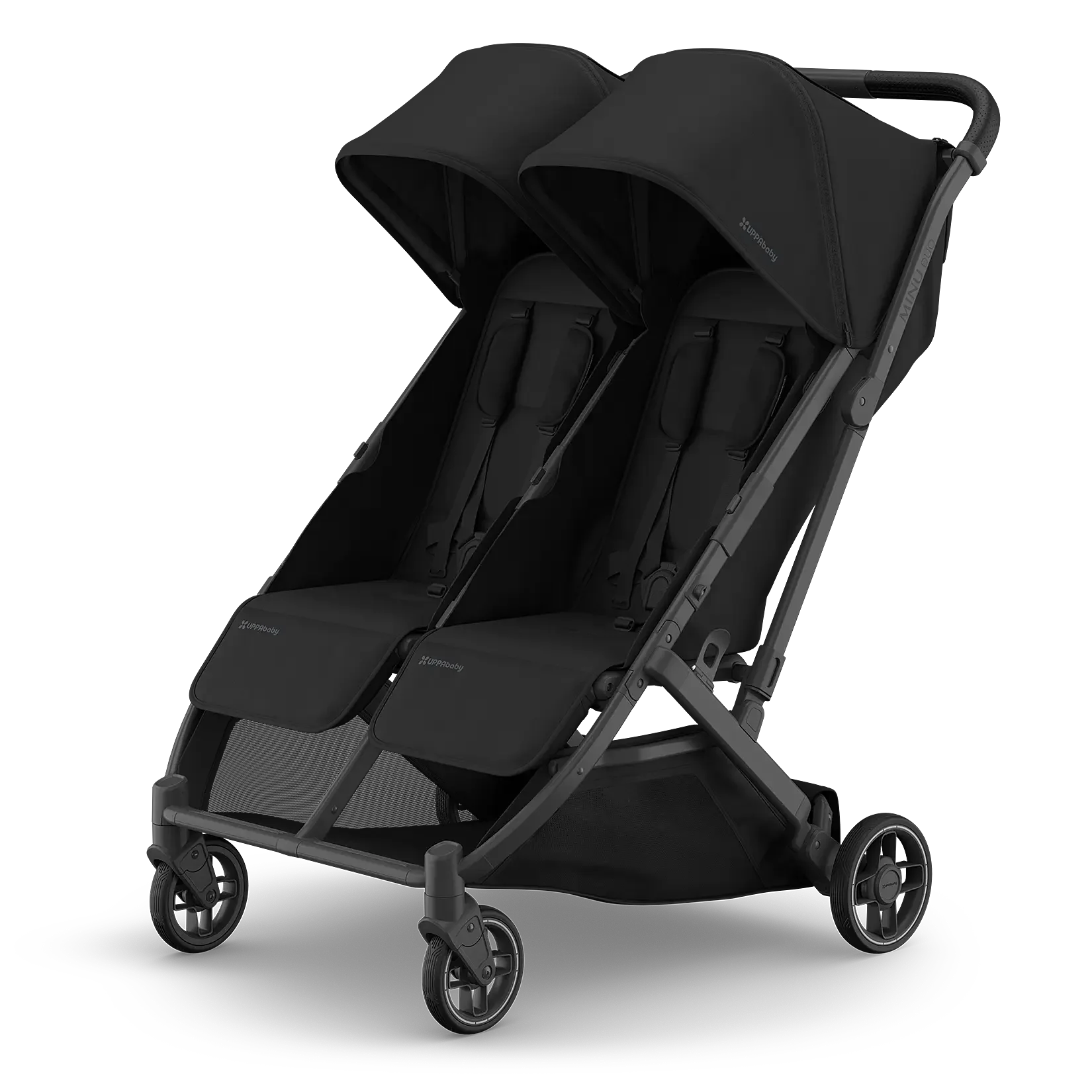
For twins, siblings, or a family that's growing
Lightweight
Easy to carry and store
Editor's picks
Before you scroll the full list, here's where most parents land.
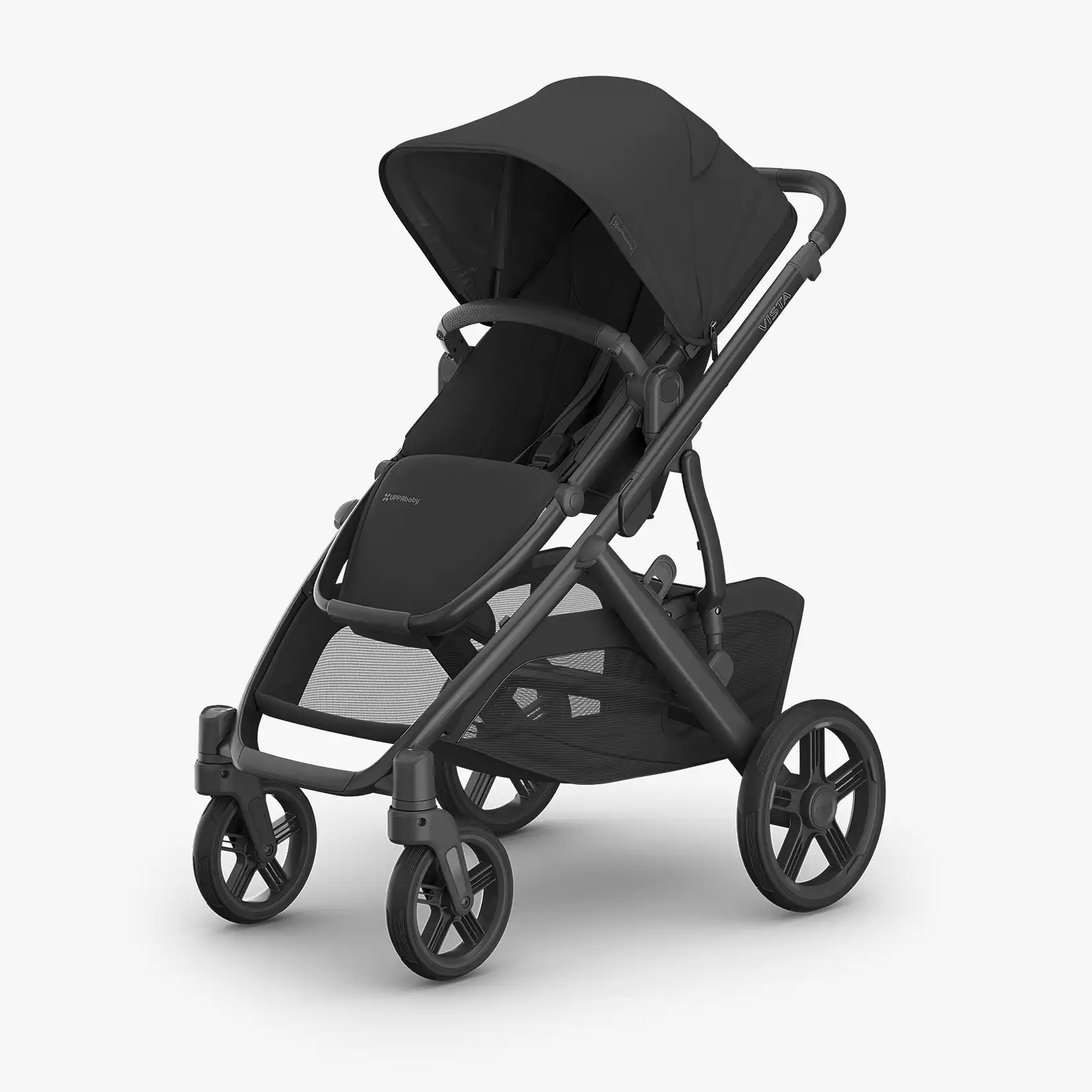
🏆 Best Overall
Outstanding ride quality, generous storage, and genuine modular expandability make this the strongest all-around pick in our roundup.
💰 Best Value
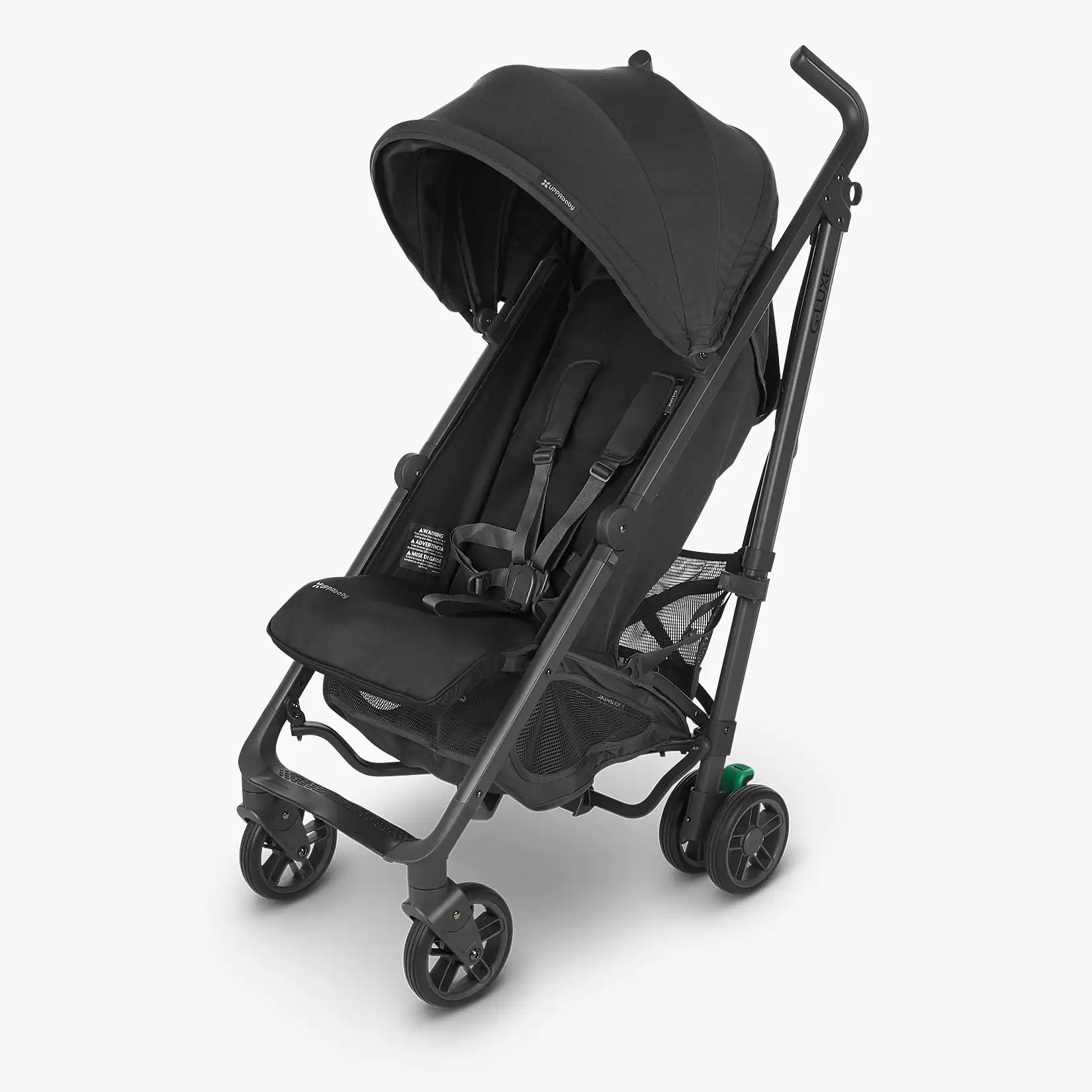
A fraction of the price of a full-size stroller, with the same UPPAbaby build quality and a fold that's actually convenient.
✈️ Best For Travel
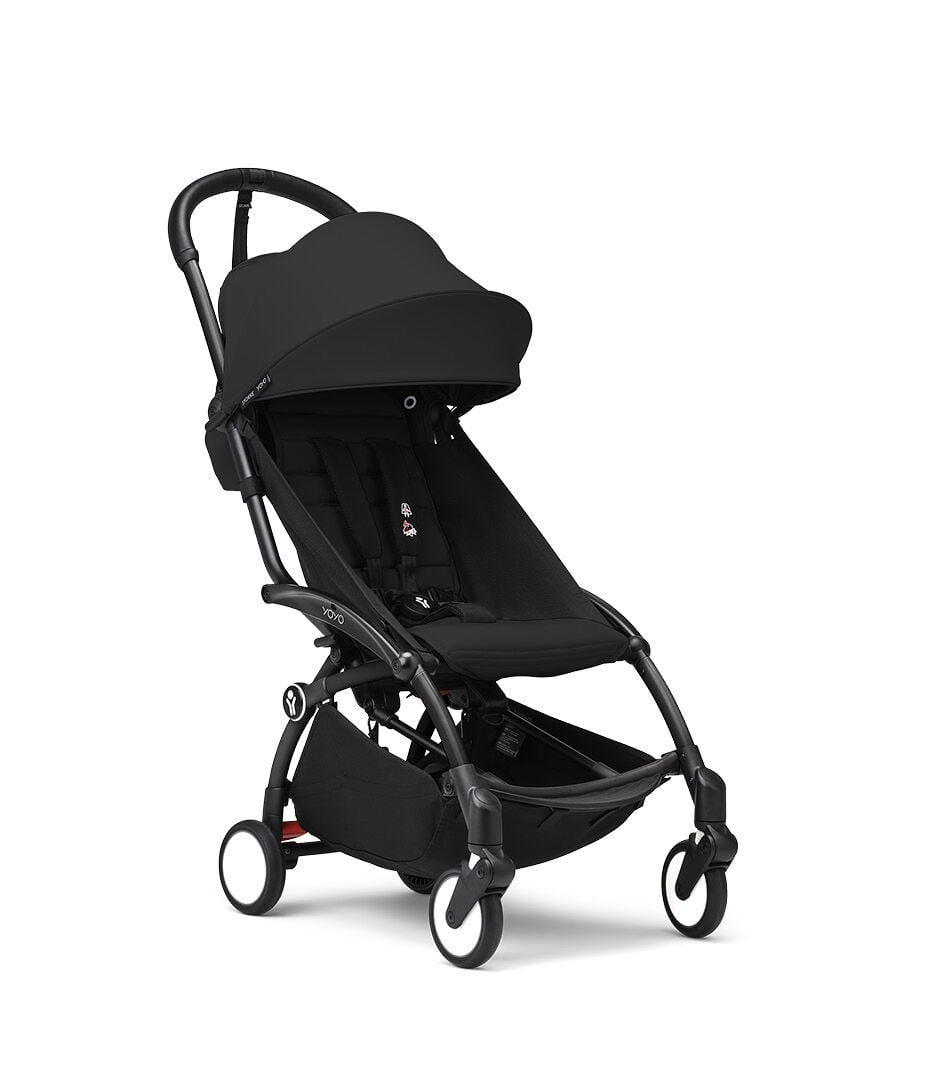
One of the most compact, airline-friendly strollers available, with premium engineering to match.
🚗 Best Budget Travel System
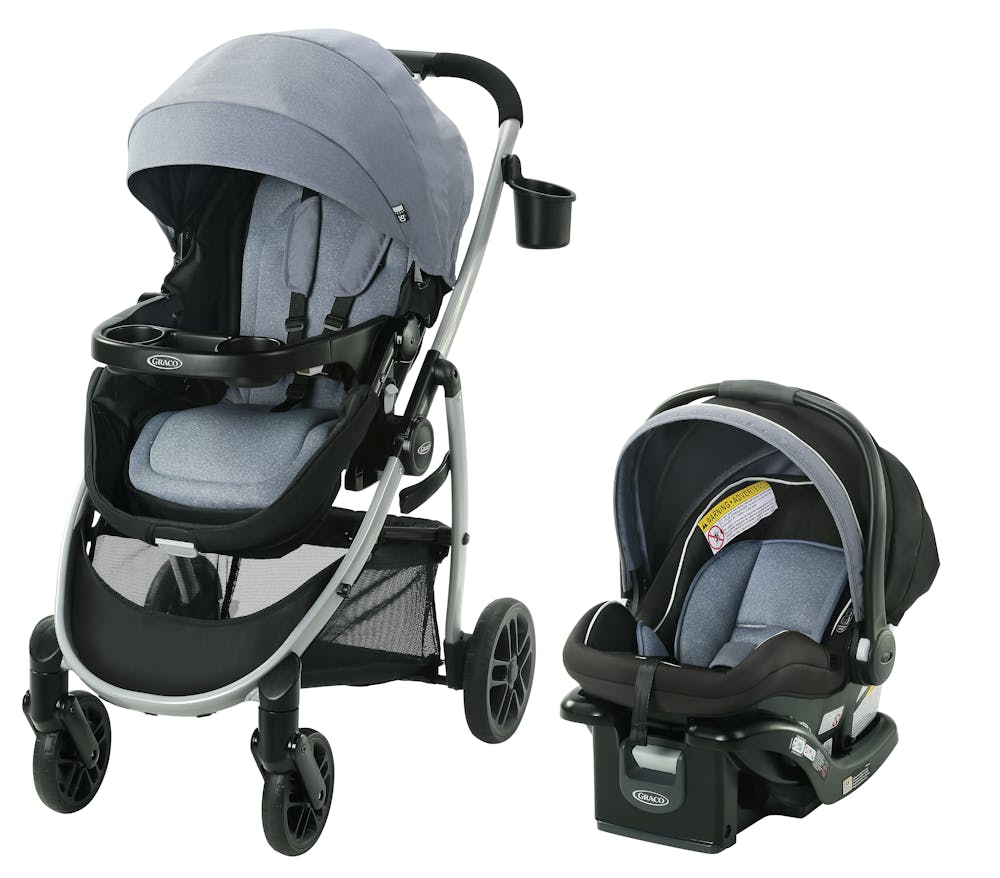
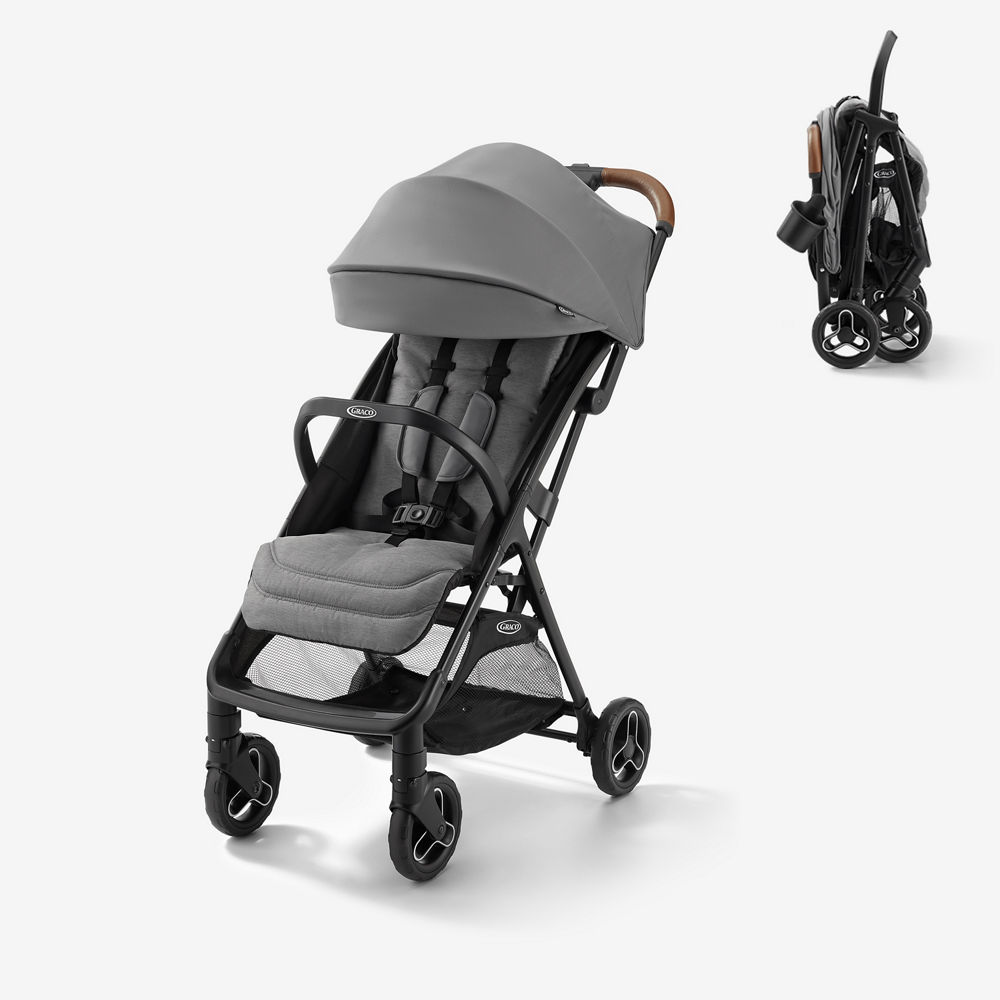
Bundles a genuine infant car seat with the stroller, making it the most complete option at this price point.
🏃 Best For Running
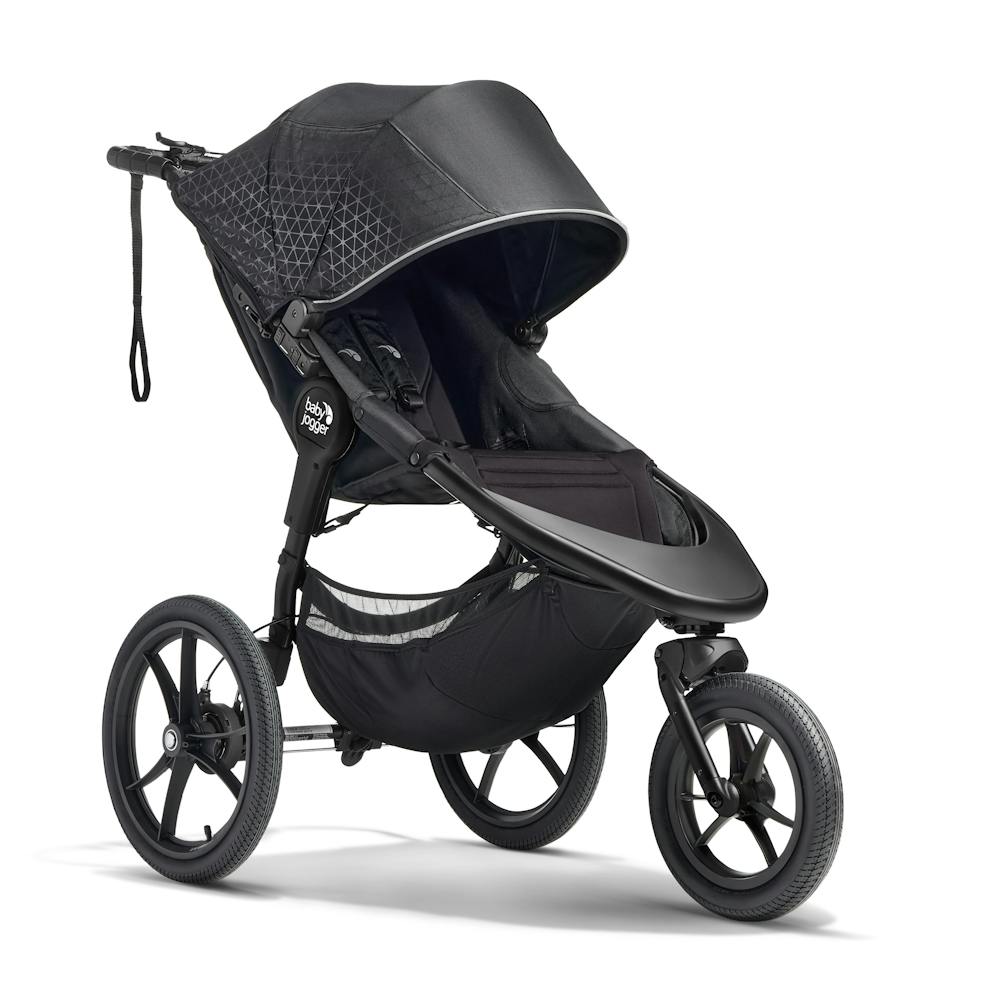
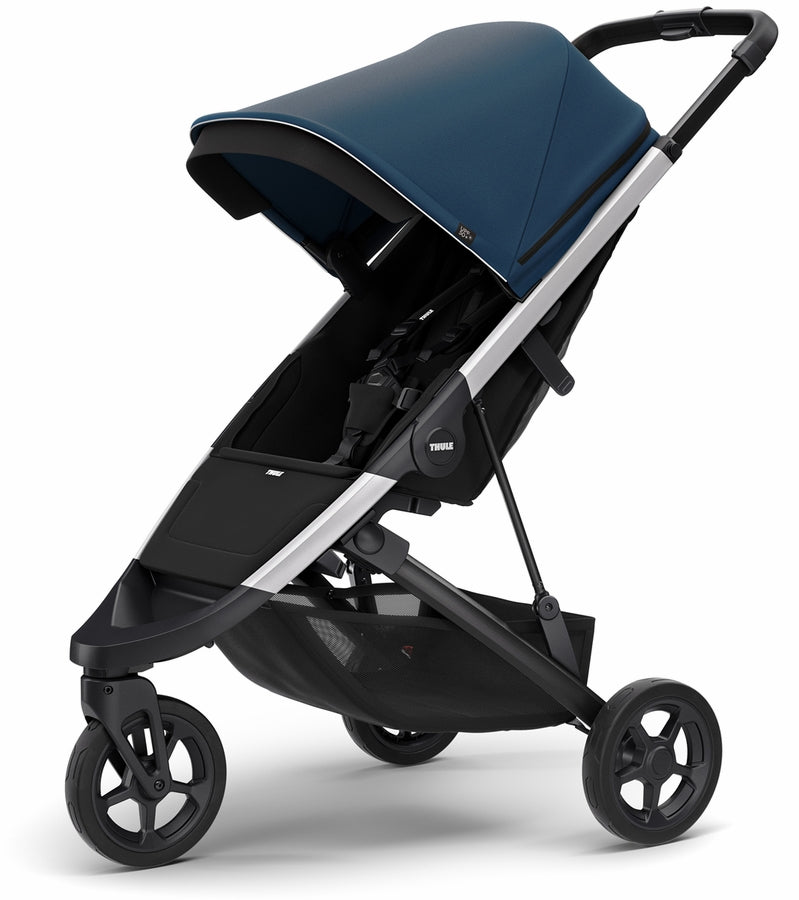
Built specifically for running and rough terrain, with a lifetime frame warranty to back it up.
👶 Best For Growing Families
A single frame that expands from one child to two or three, so families don't need to buy a second stroller as they grow.
All 9 strollers
Showing
9
of
9
strollers, sorted by score
No monitors match that filter — try a different one.
Buying advice
Four questions worth answering before you buy — everything else is a feature, not a decision.
Full-size strollers ride smoother, hold more storage, and often expand as your family grows, but they're heavier and bulkier to store or carry. Lightweight and travel strollers trade some ride comfort and storage for a fold that fits in a trunk, an overhead bin, or a closet. Most families end up happiest with one of each — a full-size stroller for everyday use and a lightweight one for trips — rather than trying to make a single stroller do everything.
A one-hand fold matters more than it sounds like it would, especially if you're regularly folding the stroller solo while holding a child, a diaper bag, and your keys. Two-hand folds tend to come from strollers optimized for something else — usually an even more compact fold, like Stokke's cabin-size YOYO3. Neither is objectively better; it depends on whether portability or one-handed convenience matters more day to day.
A travel system bundles an infant car seat with the stroller, letting you move a sleeping baby from car to stroller without waking them. If you're buying your first stroller alongside your first car seat, a bundle like Graco's Modes Pramette is usually the simplest and most affordable path. If you already own a car seat, check compatibility before assuming you need a matching stroller — many premium strollers accept a wide range of infant seats with the right adapter.
If you know you'll have a second child, a modular, expandable stroller like the UPPAbaby VISTA V3 can be genuinely cheaper over time than buying two separate strollers. If you're confident your family is complete, that expandability is extra weight and cost you'll never use — a simpler, lighter stroller will usually serve you better.
Methodology
Every product in this guide is scored the same way, across six criteria, so ratings are comparable across brands and price points.
Ride Quality
Suspension, wheel size, smoothness over rough terrain
Maneuverability & Fold
One-hand fold, turning radius, ease of use
Comfort & Safety
Seat padding, recline range, harness, canopy coverage
Build Quality
Frame durability, materials, long-term reliability
Value
Price versus what you actually get
Features
Storage, accessories, car seat compatibility
Top Brands
Looking for a specific brand? We review strollers from the industry's leading manufacturers, comparing everything from lightweight travel strollers to premium full-size and jogging models. Browse by brand to see every stroller we've tested.

Premium full-size strollers known for outstanding build quality, smooth ride comfort, and family-friendly modular systems that grow with your child.
View Brand
Versatile strollers built for everyday use, featuring excellent one-hand folds, dependable performance, and some of the best jogging strollers available.
View Brand
Affordable strollers and travel systems that deliver excellent value, practical features, and a wide range of options for growing families.
View Brand
Premium performance strollers designed for active families, combining exceptional suspension, rugged construction, and superior maneuverability on varied terrain.
View BrandSide by side
The criteria that matter most when deciding. Scroll to see more on mobile.
Product
Score
Price
Questions
How many strollers does a family actually need?
+
What's the difference between a stroller and a travel system?
+
Is a lightweight stroller worth buying if I already have a full-size one?
+
How much should I expect to spend on a good stroller?
+
What should I look for in a jogging stroller?
+
How often do you update this guide?
+