
ReviewedList Verdict
Best For
Parents who want a WiFi-enabled baby monitor with both a dedicated parent unit and smartphone viewing without paying ongoing subscription fees.
Consider Another Option If...
You want AI sleep tracking, breathing monitoring, or a completely private non-WiFi monitor.
Bottom Line
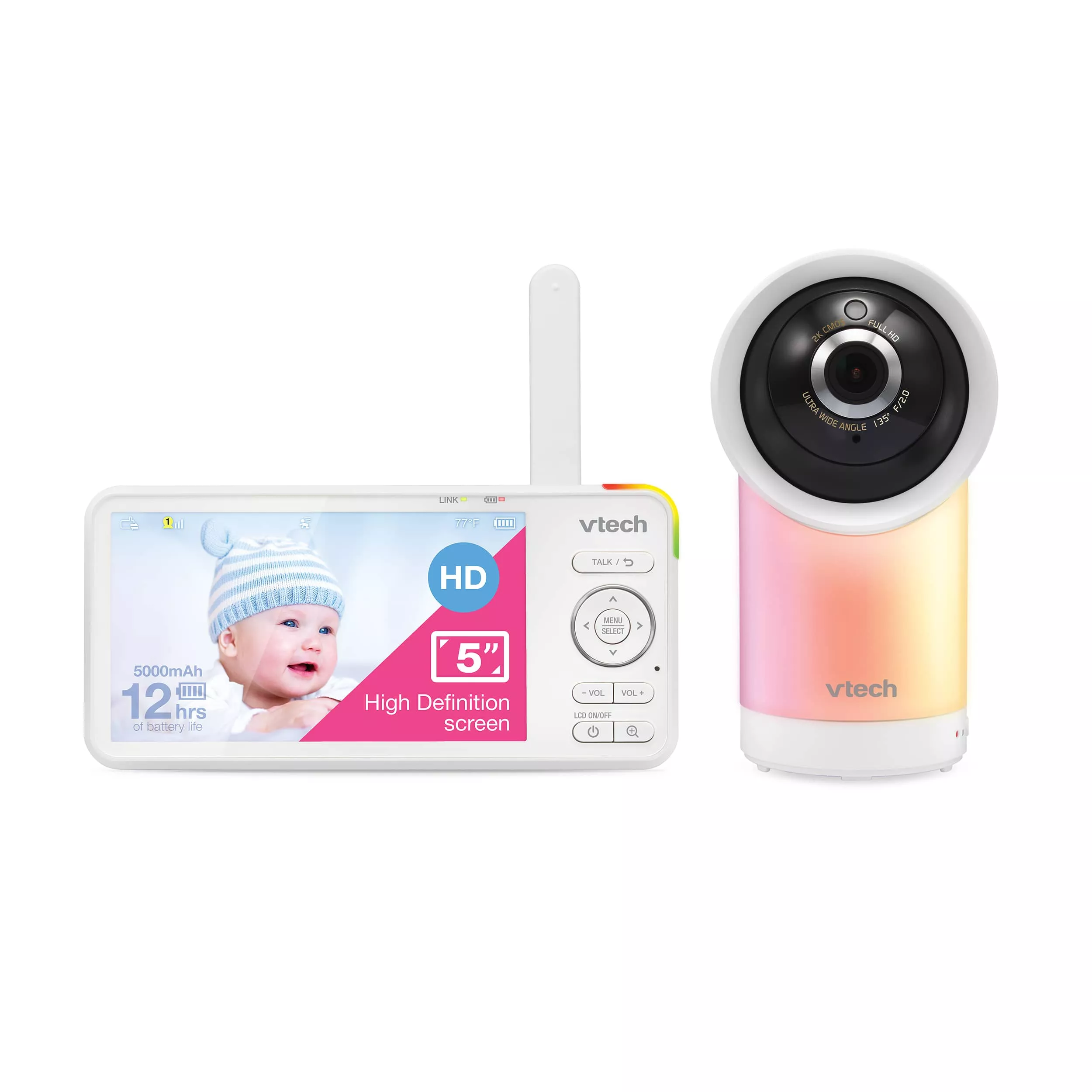
The RM5866HD delivers far more features than most monitors in its price range. With excellent video quality, remote pan and tilt, free mobile access, and long battery life, it offers one of the strongest value propositions for families wanting a modern connected baby monitor without expensive subscriptions.
Pros & Cons
The biggest strengths and trade-offs we found during testing.
Pros
- Excellent value for the feature set
- 5-inch HD parent unit plus smartphone viewing
- Free remote access with no subscription
- Motorized 360° pan, tilt and zoom
- Sharp 1080p camera with good night vision
- Long battery life on the parent unit
- Temperature sensor, lullabies and night light included
- Easy-to-use mobile app
Cons
- Requires WiFi for remote monitoring
- No breathing or AI sleep analytics
- App can occasionally be slower than premium competitors
- No local recording without additional setup
Key Specifications
A quick look at the features and technical details that matter most.
Highlights
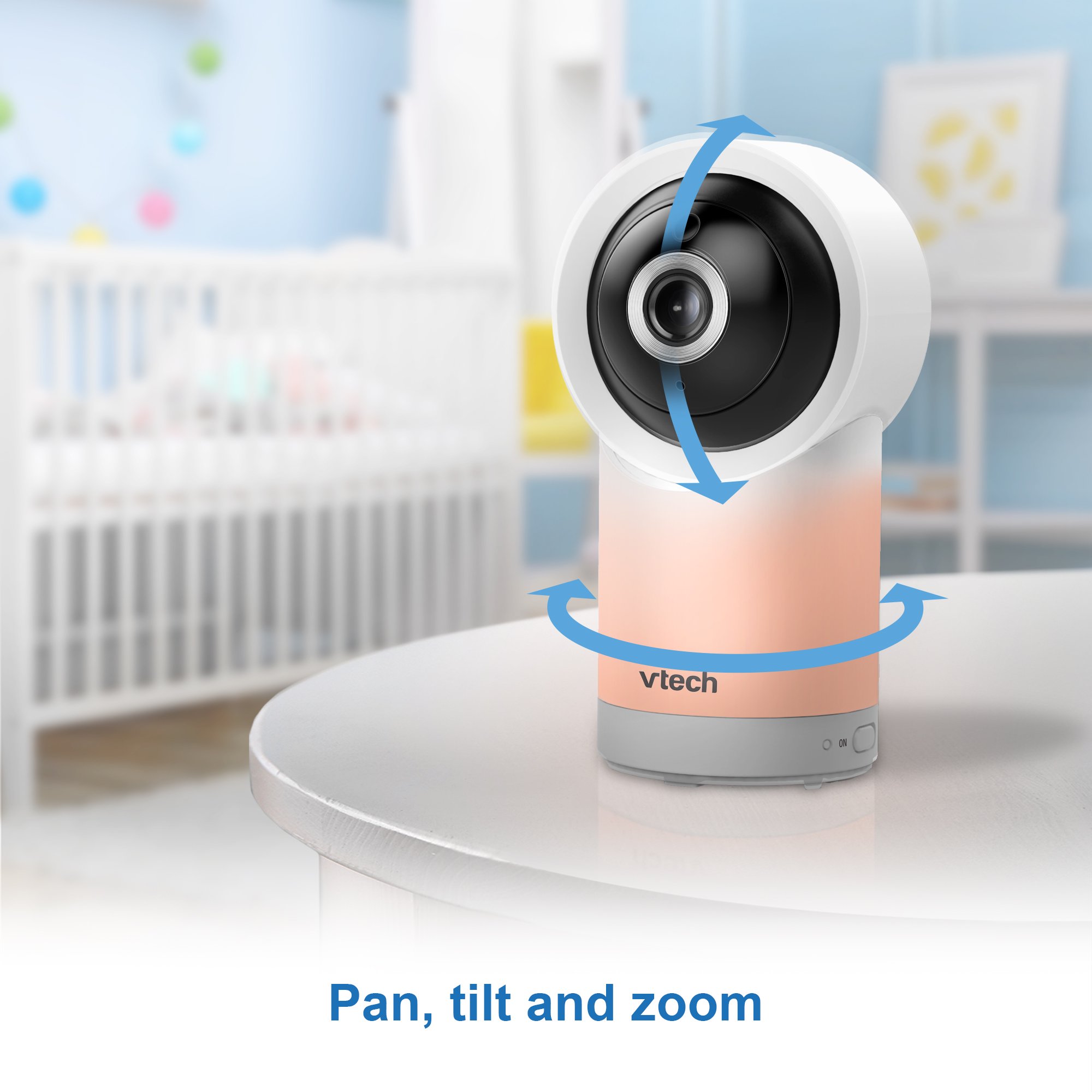
Pan, Tilt and Zoom
The motorized camera provides full-room coverage with 360° pan, tilt, and zoom controls from both the parent unit and smartphone. Parents can easily reposition the camera without entering the nursery.
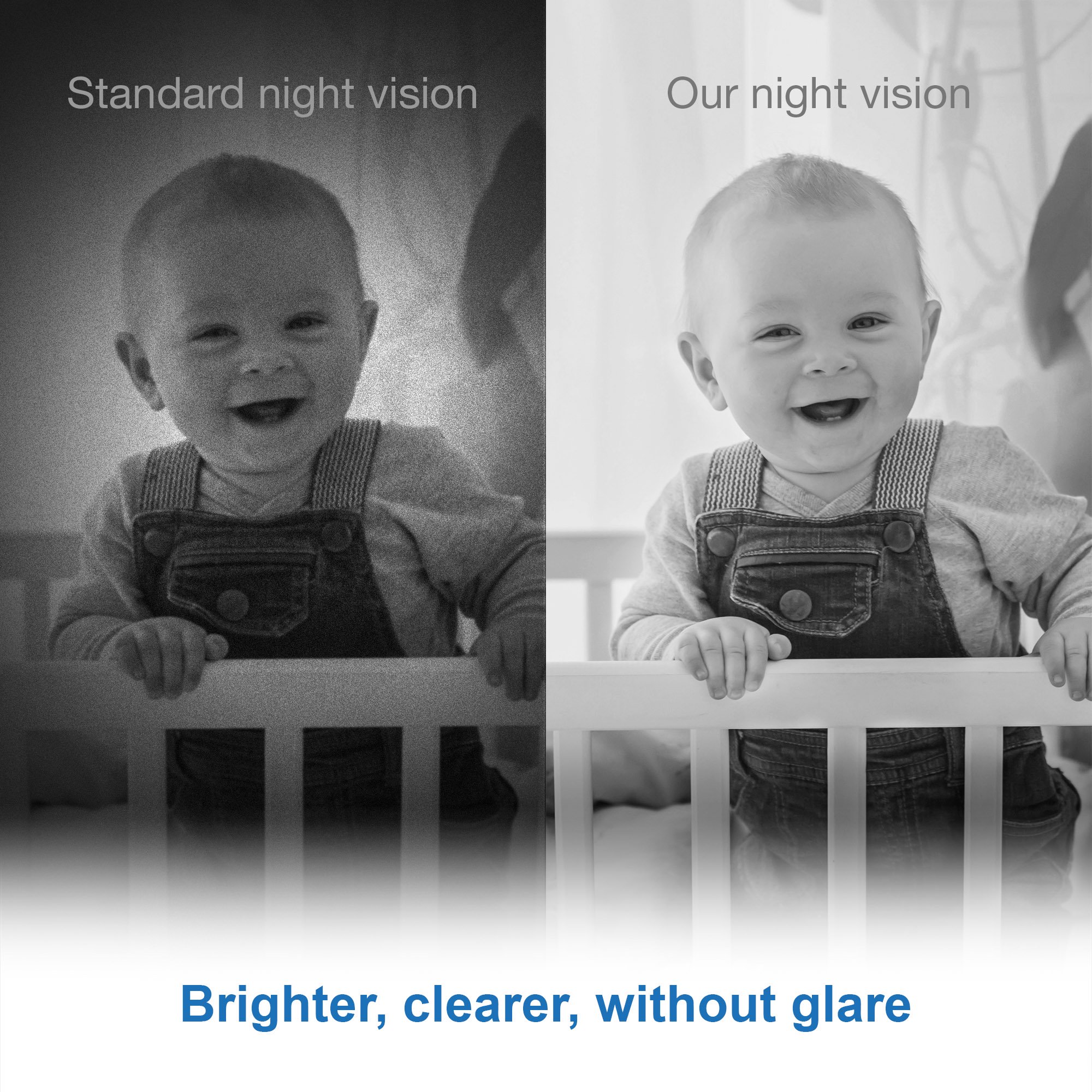
Good Night Vision
Infrared night vision produces a clear image after dark, allowing parents to monitor their baby throughout the night without visible lights disturbing sleep. While not the sharpest night vision available, it performs very well for its price.
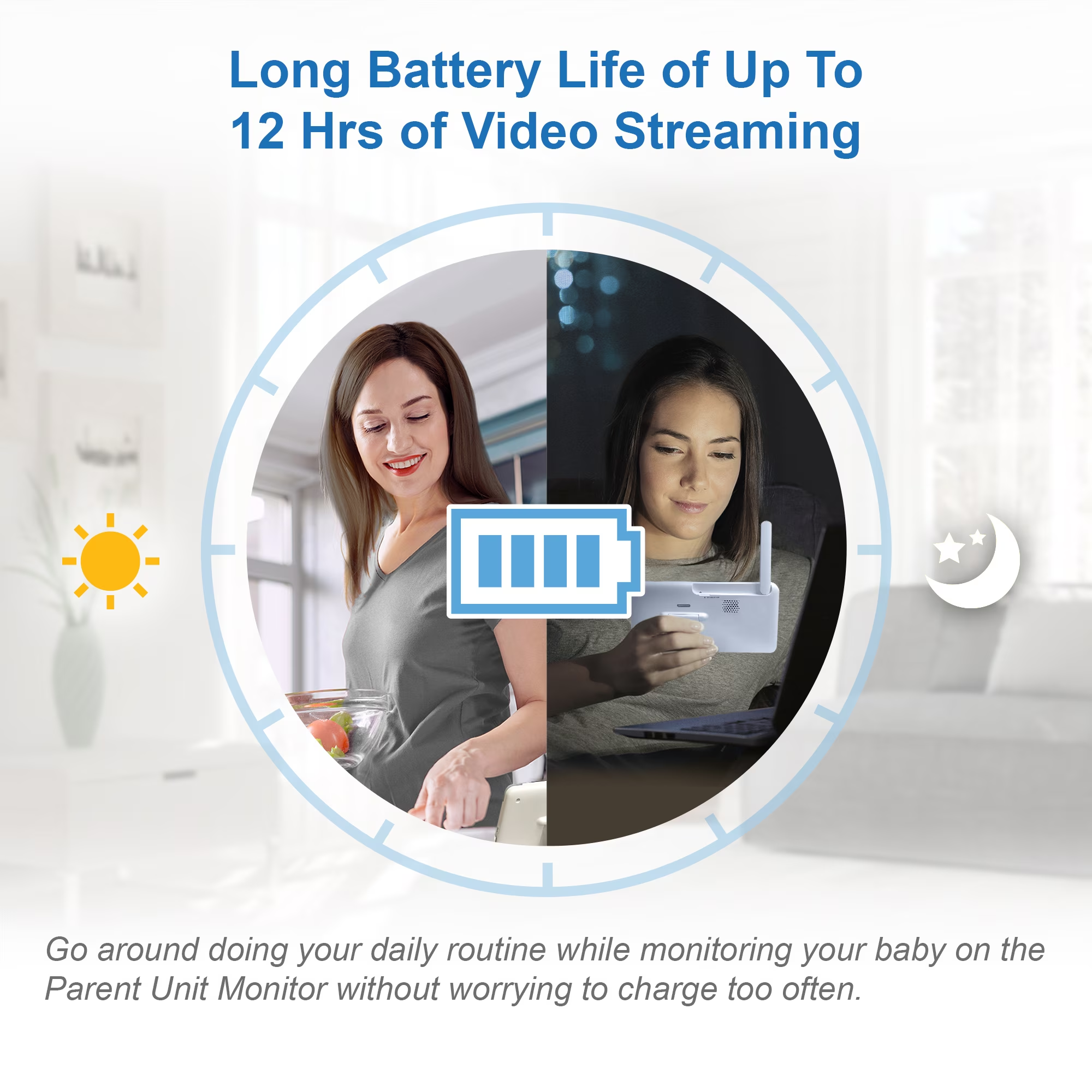
Decent Battery Life
The large rechargeable parent unit provides up to 12 hours of video streaming, making it well suited for all-day use around the house without constantly searching for a charger.
Full Review
Overview
The VTech RM5866HD strikes an excellent balance between affordability and modern features. Unlike many similarly priced monitors, it includes both a dedicated parent unit for instant local viewing and free smartphone access when you're away from home. That flexibility alone makes it one of the better values in today's baby monitor market.
Video Quality
The camera records in 1080p while the included 5-inch HD display provides a sharp, detailed live view. Image quality is noticeably better than older standard-definition monitors, with good color reproduction during the day and clear infrared night vision after dark.
Connected Features
Remote viewing through the MyVTech Baby Pro app allows parents to watch, listen, and speak to their baby from anywhere with an internet connection. Unlike several premium competitors, VTech does not charge a monthly subscription for basic remote monitoring.
Parent Unit
The included 5-inch display remains one of the RM5866HD's biggest strengths. Parents don't need to rely on their phones while at home, and switching between local viewing and remote monitoring is seamless. The interface is straightforward and easy to learn.
Everyday Features
The monitor includes nearly every feature most parents need, including two-way talk, temperature monitoring, soothing sounds, lullabies, a multi-color night light, sound alerts, and motorized camera controls. It offers an impressive amount of functionality without becoming complicated to operate.
Value
Considering its combination of local monitoring, smartphone access, HD video, motorized camera, and zero subscription costs, the RM5866HD delivers exceptional value. While premium models from Nanit or CuboAI offer more advanced AI features, few monitors provide this much functionality at a similar price.
The ReviewedList Take
The VTech RM5866HD is one of the easiest recommendations for parents who want a connected baby monitor without overspending. It combines dependable everyday performance with modern smart features, making it an excellent choice for families that want flexibility both inside and outside the home.
Choose this instead if...
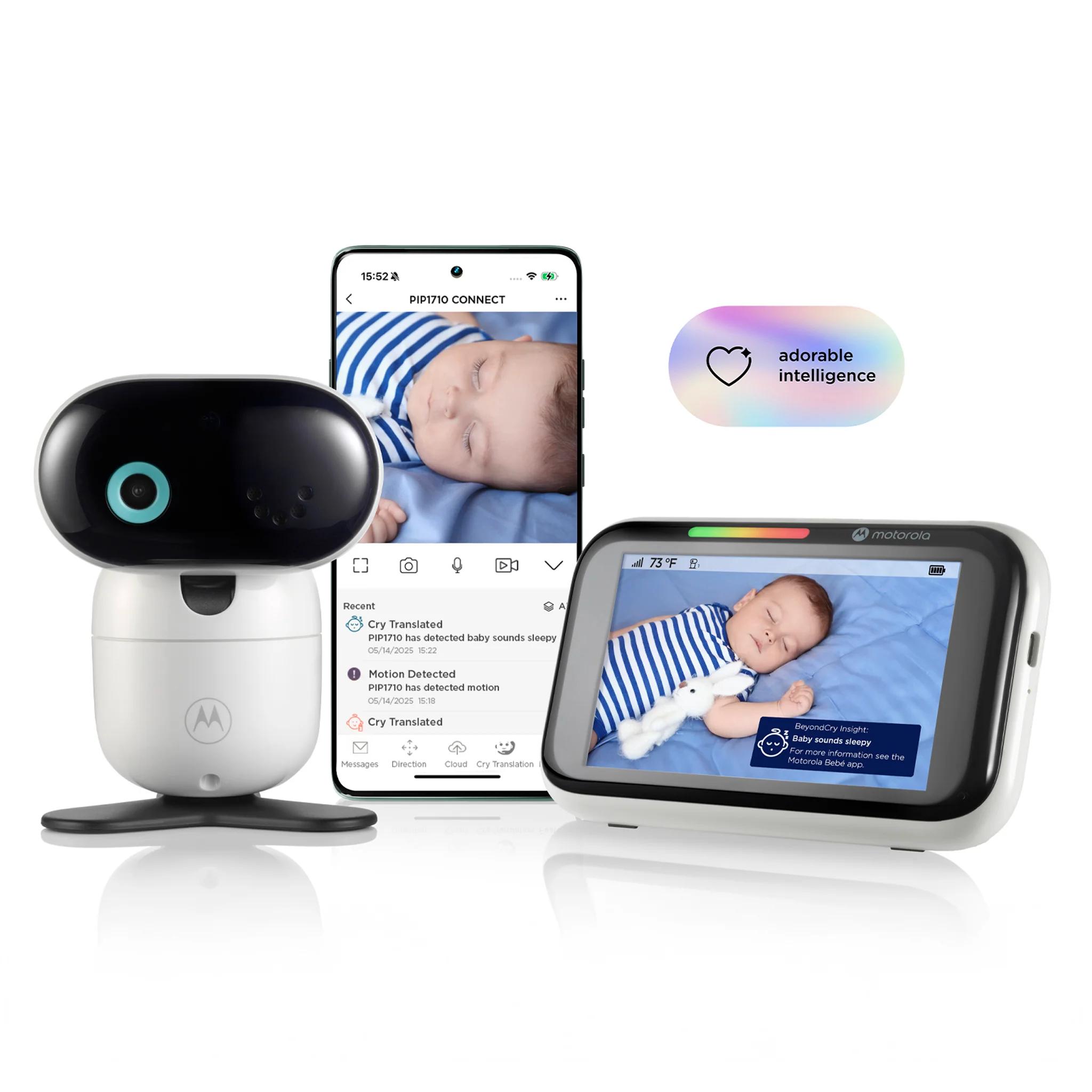

Choose this if you want the most advanced sleep tracking and video quality available.
View Review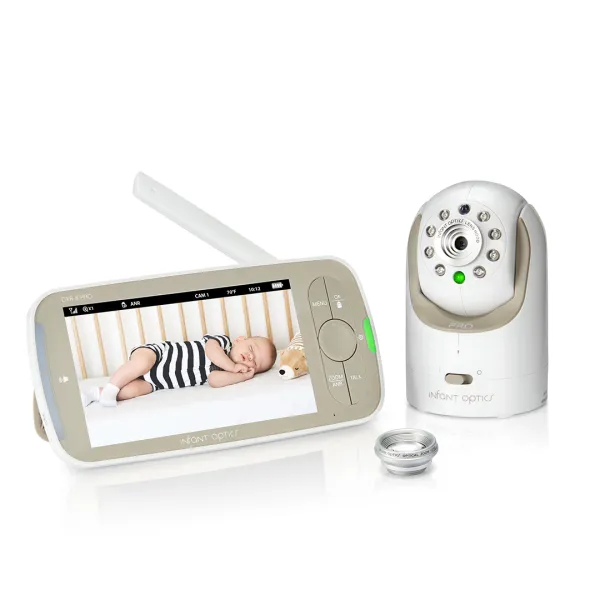
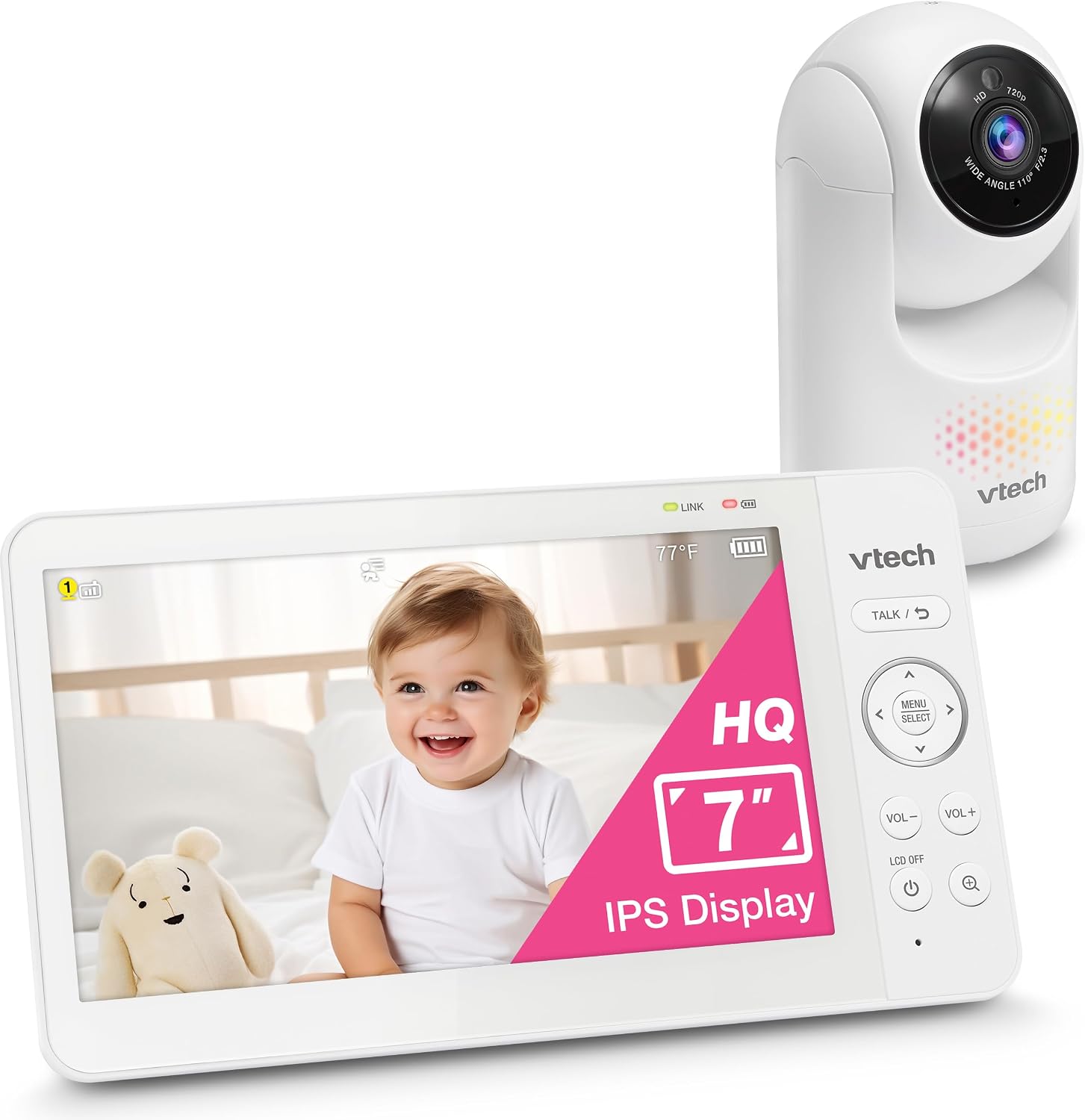
Choose this if you want the biggest non-WiFi screen at a mid-range price.
View ReviewFrequently Asked Questions
Does the VTech RM5866HD work without WiFi?
Yes. The included parent unit works locally without an internet connection. WiFi is only required for smartphone access and remote monitoring.
Can you control the camera remotely?
Yes. Both the parent unit and smartphone app allow full pan, tilt, and zoom control of the camera.
Is there a monthly subscription?
No. Remote viewing through the MyVTech Baby Pro app is included at no additional cost.
How does it compare to the Nanit Pro?
The Nanit offers advanced sleep analytics, breathing monitoring, and AI-powered insights. The RM5866HD focuses on delivering excellent video quality, a dedicated parent unit, and free remote viewing at a much lower price, making it the stronger value for parents who don't need AI features.
Is the RM5866HD worth buying?
Absolutely. If you want a modern baby monitor with both local and remote viewing, excellent video quality, and no recurring subscription costs, the RM5866HD is one of the best values in its category.